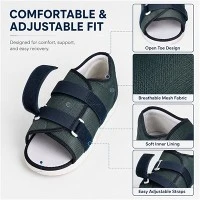
With ongoing advances in medical care, rehabilitative exercise has become an integral part of treating bone fractures. It plays a critical role in accelerating recovery. Establishing a collaborative relationship between healthcare providers and patients is essential to encourage active participation in early-stage activities. This approach not only supports physical healing but also promotes psychological well-being.
The primary goal of fracture treatment is to regain full functional ability. Personalized rehabilitation plans help prevent complications such as joint stiffness, muscle weakness, and soft tissue adhesions. Initiating structured exercise soon after injury or surgery significantly influences long-term outcomes. Thus, guiding patients through tailored movement routines is fundamental to modern orthopedic practice.
Rehabilitative exercise refers to the patient-led component of recovery, including self-administered motion training, muscle contraction and release, joint mobilization, and gentle massage. These activities complement clinical interventions and foster independence.
Key objectives include restoring natural movement patterns across affected areas and counteracting negative effects resulting from trauma-such as ligament shortening, scar tissue formation, or reduced flexibility. Consistent movement helps soften fibrous tissue, minimize edema, and improve overall joint mechanics even when inflammation is present.
In summary, proactive engagement in guided functional activities is crucial for successful orthopedic outcomes. It enhances structural repair, prevents mobility limitations, and supports holistic patient health.