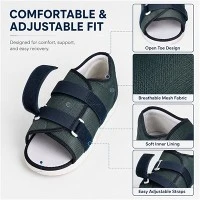
The medical support device sector is undergoing advancements driven by the development of material science and technology integration. Recently they focus on enhancing therapeutic outcomes through intelligent design and personalized functionality.
Next-Generation Material Applications
Advanced polymer blends now offer dynamic stiffness modulation, allowing single devices to provide varying levels of support during different recovery phases. Shape-memory alloys integrated into joint stabilizers enable automatic contour adaptation to swelling fluctuations, while graphene-infused textiles demonstrate 50% improved moisture management in clinical trials.
Digital Integration Breakthroughs
Wearable sensors embedded within orthopedic braces now track:
→ Real-time range-of-motion metrics
→ Compliance monitoring through wear-time documentation
→ Progressive loading data via micro-pressure sensors
These capabilities facilitate remote rehabilitation supervision, with clinicians receiving automated progress reports and predictive alerts regarding potential complications.We really embrace and learn from it, as well as improve our service.