

|
Orthopedic support programs Orthopedic Brace SolutionsBuild the right brace range around the support task, product structure, target channel and project requirements. Compare post-operative control, immobilization, gait support, joint stability, spinal support, upper-limb support and sports compression before selecting individual models.
For orthopedic distributors, DME and rehabilitation suppliers, medical brands, and sports or retail programs. |
 |
|
Start with the purchasing task Choose the structure before the model |
A product name alone does not define the right support. The purchase decision starts with what the brace must control: full immobilization, adjustable range of motion, lateral stability, load redistribution, gait assistance, compression or a specific joint position. Use the solution paths below to narrow the structure and compare the factors that affect assortment planning, sizing, side selection, documentation, packaging and OEM scope. For a complete category view, visit our orthopedic braces and support products. |
Choose by support task
Seven purchasing paths for a complete brace range
Each path groups products by the function a buyer needs to source. Compare the structure and selection inputs before moving to individual models.
|
|
||||
|
|
||||
|
|
||||
|
|||||


|
Need a mixed product program? Start with the required function, not a category name.Share the support tasks, target market, sales channel and expected quantity. We will narrow the relevant structures before samples or packaging are discussed. |
Discuss Your Project |
Compare before opening a product page
Solution comparison matrix
Use the matrix to identify the right purchasing path. Final specifications, side options, sizes and available documents still need to be confirmed at model level.
| Purchasing path | Primary products | Selection inputs | Typical programs |
|---|---|---|---|
| Post-operative | ROM braces, immobilizers, walkers, post-op shoes | Joint, fixed or controlled motion, angle settings, side, size | Orthopedic, hospital, rehabilitation |
| Foot and ankle | CAM boots, pneumatic walkers, ROM walkers, offloading shoes | Height, aircells, hinge, foot coverage, outsole, sizing | Orthopedic, podiatry, DME |
| Gait support | AFO braces, foot-drop splints, higher-level orthoses | Rigidity, dorsiflexion assistance, shoe fit, side, measurements | O&P, neurological rehabilitation, mobility |
| Joint stability | Compression, hinged and OA unloader braces | Support level, hinge, frame, unloading direction, side | Orthopedic, rehabilitation, pharmacy |
| Spinal support | Cervical, cervicothoracic, TLSO, lumbar, posture supports | Coverage, rigidity, panels, pull system, adjustment range | Spine, DME, medical and retail |
| Upper limb | Slings, shoulder immobilizers, ROM elbow, wrist and finger supports | Joint position, ROM, frame or stay, side, size | Orthopedic, hospital, emergency, rehabilitation |
| Sports support | Compression sleeves, wraps and reinforced joint supports | Material, support level, anti-slip, size grading, packaging | Sports, fitness, pharmacy, e-commerce |
 |
Choose by buyer program Match the product plan to the sales channel
|
From requirement to product range
A practical path to samples and quotation
A clear brief reduces model mismatch and keeps product, documentation and packaging decisions in the right order.
|
01 Support taskDefine whether the range must immobilize, control motion, stabilize, unload or compress. |
02 Product structureNarrow the choice to soft, semi-rigid, rigid, hinged, pneumatic or framed support. |
03 Fit inputsConfirm side, size range, measurements and the adjustment points buyers need. |
|
04 Market and filesSpecify the target country, sales channel, labeling and required project documents. |
05 Branding scopeConfirm the logo, label, instructions, packaging and any requested product changes. |
06 Sample and quoteConfirm the selected model, project scope, quantity and purchasing schedule. |
|
Custom project options Match the development scope to the projectNot every order needs a new product. We separate standard wholesale, private labeling, approved product adjustments and new development so the quotation reflects the actual work required.
|
 |
Learn more about our current production scope on the About BOSEGROW Medical page. OEM and Private Label Orthopedic Braces is a planned commercial capability page and should be linked here after publication.
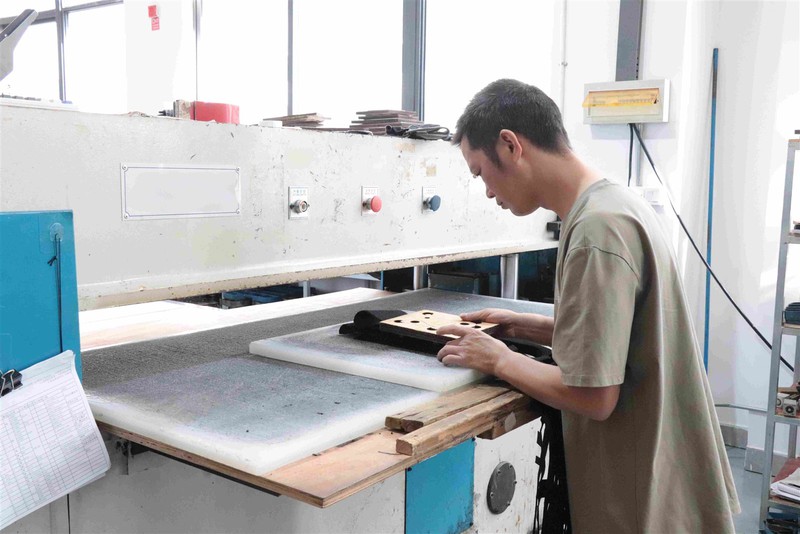 |
Manufacturing and quality evidence Confirm evidence at the product levelOrthopedic supports combine fabrics, stays, frames, hinges, straps, fasteners and packaging components. The relevant inspection points change with the structure. A ROM brace requires different checks from a compression sleeve or pneumatic walker.
Orthopedic Brace Quality Control is a planned evidence page. Add its text hyperlink here after the page is published. |
Browse current product categories
Go directly to an established product range
| Knee Support | Ankle Support | Walker Boot | Cervical Collar | Back Support |
| Shoulder and Arm | Wrist and Hand | Finger Splint | Orthopedic Shoes | Sports Braces |
|
Recommended resources Continue the product comparison |
Adjustable Knee Immobilizer Brace with 0–120° ROM - review a current controlled-motion knee product and its adjustment structure. AFO Ankle Foot Orthosis Guide - continue into AFO structure and lower-limb support. How to Choose an Orthopedic Brace Product Line - planned buyer guide; add a normal text link after publication. Orthopedic Brace OEM Project Checklist - planned procurement resource; add a normal text link after publication. |
Project discussion
Tell us what the product range needs to do
Send the support task, target market, sales channel, expected quantity, size range, branding scope and required documents. We will use those inputs to narrow suitable categories and models for your OEM or wholesale project.
Discuss Your ProjectProcurement FAQ
Questions before selecting a solution
Should we start from a product category or a support task?
Start from the support task when the exact structure is not yet fixed. Once you know whether the range needs immobilization, controlled motion, stability, unloading, gait assistance or compression, the relevant product categories become much easier to compare.
Can different brace categories be included in one purchasing program?
Yes. A distributor or private-label program may combine related categories. The order plan still needs model-level confirmation for quantity, size mix, side options, packaging and production timing.
When do left- and right-side models matter?
Side-specific designs matter when the frame, hinge, unloading direction, footplate or anatomical shape cannot be reversed. Confirm side requirements early because they affect samples, inventory and packaging labels.
What information is needed for an OEM quotation?
Provide the target product or support task, market, channel, expected quantity, size range, color, logo and packaging requirements, required documents and any requested structural changes. Product changes need technical review before pricing and samples are confirmed.
How should quality and compliance documents be evaluated?
Evaluate them by the specific model, target market and agreed order scope. Ask for the relevant specification, size chart, labeling, instructions and available project documents instead of relying on a general site-wide claim.