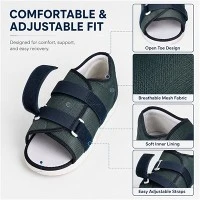
Adjustable knee braces are highly valued for their flexibility and versatility in rehabilitation, sports protection, and daily use. Below is a detailed breakdown of their core advantages:
 1. Adaptability to Different Rehabilitation Stages
Swelling Management: Adjustable straps or buckles allow real-time tightening or loosening to accommodate post-injury swelling, preventing excessive pressure or poor circulation.
Progressive Support: Strict immobilization is required in early recovery stages, while gradual loosening in later phases promotes joint mobility and reduces stiffness.
2. Customized Fit and Comfort
Body Size Compatibility: Adjustable straps or hook-and-loop closures adapt to varying leg circumferences (e.g., muscular individuals or those with edema), minimizing slippage or irritation.
Even Pressure Distribution: Customizable tightness disperses joint pressure, reducing the risk of skin abrasions and enhancing comfort during prolonged wear.
3. Multi-Scenario Functional Support
Activity-Specific Adjustments:
High-Intensity Sports (e.g., basketball, skiing): Tighten the brace to enhance ligament stability and prevent sprains.
Daily Activities (e.g., walking, climbing stairs): Moderate looseness balances flexibility and protection.
Targeted Support Features: Some braces allow independent adjustments for patellar straps or lateral stabilizers, offering precise protection for injured areas (e.g., ACL tears, meniscus injuries).
4. Extended Usability and Cost-Effectiveness
Versatility: A single brace can be adjusted for varying support levels, eliminating the need to purchase multiple braces during recovery.
Chronic Condition Management: Arthritis patients can modify the brace to address pain fluctuations due to weather or activity intensity.
5. Active Rehabilitation and Muscle Training
Dynamic Adjustment: Gradually reducing external support in later rehabilitation phases encourages muscle activation, preventing strength loss from over-reliance on the brace.
Rehabilitation Plan Integration: Physical therapists can guide patients to adjust the brace based on recovery progress, balancing protection and muscle engagement.
 6. Convenience and Hygiene
Easy Application: Designed for quick wear/removal without removing pants, ideal for post-surgery patients.
Removable/Washable Components: Some braces feature detachable pads or straps for easy cleaning, reducing odor and bacterial buildup.
7. Broad Applicability to Injuries
Acute Injuries: Stabilizes ligaments post-sprain or surgery.
Chronic Conditions: Alleviates pain from osteoarthritis or patellar chondromalacia.
Sports Prevention: Reduces knee stress during high-impact activities like hiking or running.
Key Considerations
Proper Usage: Incorrect adjustments or over-reliance may hinder recovery; follow medical guidance.
Material Sensitivity: Opt for breathable, antimicrobial fabrics if allergic to latex or silicone.
When to Choose an Adjustable Knee Brace?
Changing Needs: Rapid recovery progression or diverse daily activities.
Fluctuating Swelling: Post-surgery recovery or arthritis flare-ups.
Targeted Protection: Requires focused support (e.g., medial collateral ligament).