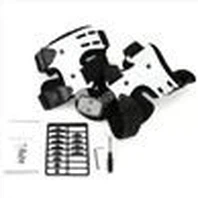
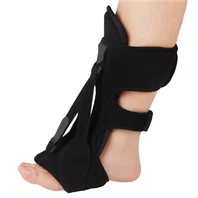
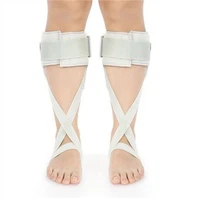
Plantar Night Splint is a medical rehabilitation device primarily used to alleviate and treat symptoms of plantar fasciitis and other foot conditions. Its core function is to maintain a stretched position of the plantar fascia and Achilles tendon during sleep by fixing the foot at a specific angle, thereby reducing morning pain and stiffness.
Core Mechanism
 1. Biomechanical Design
- During sleep, the foot naturally points downward (plantar flexion), shortening the plantar fascia and Achilles tendon. Sudden stretching upon waking can cause sharp pain.
- The night splint holds the ankle in a dorsiflexed position (toes upward, typically at 5°-10°), passively stretching the plantar fascia to prevent tissue contraction overnight.
2. Key Functions
- Prevents Morning Pain: Reduces the "first-step" sharp pain when standing after sleep.
- Promotes Tissue Healing: Continuous gentle stretching improves blood circulation and reduces inflammation.
- Corrects Biomechanics: Some designs include arch support to improve gait abnormalities.
Target Users
Individuals with plantar fasciitis (especially chronic or recurrent cases).
Patients with Achilles tendinitis/shortening.
Diabetic foot patients (requires pressure-ulcer prevention design).
Post-surgical rehabilitation (e.g., after foot surgery).
Chronic foot pain caused by high arches or flat feet.
Typical Structure & Design
Materials
Lightweight plastic/carbon fiber frame + breathable foam padding + adjustable hook-and-loop straps.
High-end models may use thermoplastic materials for personalized molding.
Application
Wraps around the calf and foot, securing the ankle in dorsiflexion. Some models allow adjustable arch pressure.
Types
Dorsiflexion Splint: Classic rigid design for maximum stretch.
Sock-style Splint: Soft, lightweight, suitable for mild symptoms.
Toe-Separating Design: Reduces toe pressure for enhanced comfort.
Clinical Efficacy & Controversies
Effectiveness:
Studies show consistent use for 6-8 weeks significantly improves morning pain in 70%-85% of patients and shortens recovery time.
Best results when combined with stretching, orthotic insoles, and physical therapy.
Controversies:
Comfort Issues: ~30% of users discontinue due to discomfort (proper sizing is critical).
Overreliance Risk: Long-term use may weaken foot muscles; active rehabilitation is recommended.
Usage Guidelines
Gradual Adaptation: Wear 1-2 hours nightly initially, increasing to full-night use over 3 days.
Skin Protection: Diabetic users must inspect contact areas daily to prevent pressure sores.
Combination Therapy: Pair with foot rollers, ultrasound therapy, or stretching exercises.
Contraindications: Consult a doctor for severe arthritis or deep vein thrombosis.