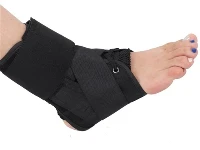
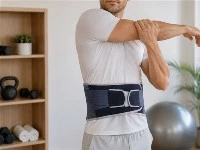
One of the most common types of physical therapy for dealing with musculoskeletal issues is the Clavicle Posture Shoulder Brace. It works with the use of one's own clavicle, which is the part of the upper bone of the neck that allows it to move up and down the person's neck. This exercise will allow the individual to strengthen their clavicle. By strengthening this piece of the body, a patient can improve their muscle mobility, increase circulation in the area, and promote stability. Clavicle postures also promote overall postural health, as well as ensuring that one's weight is more evenly distributed across one body.
There are many different clavicle postures that can be used by patients. These include but are not limited to clapping, shaking, rolling, extending, reaching, and stooping. All of these different types of postures can be done at home. In some cases, they can even be done on the office chair. However, the most effective way to work through clavicle problems is to do these exercises in the privacy of one's own home.
The key to clavicle exercises is to keep one's back straight and to keep the weight off of one's neck. The best way to do this is to lay flat on one's back, with legs slightly extended. Then, raise one leg up so that the ankle is resting on top of the top of one's foot. Slowly move the leg up over the head until it is almost touching the head in the back.
Then, extend the other leg out behind you. Raise the other leg in the same fashion, keeping the ankle near the top of the foot. Slowly turn the back so that the head now lies over the ankle. Turn the opposite way once more, so that the head now lies under the shoulder instead of over the leg. Breathe deeply and then return to the original position. Repeat these four clavicle postures a few times in a row.
Other types of exercise for the clavicle may also be done. One such exercise is known as the cat stretch. This involves bending the legs so that the body forms a rounded arch over the pelvis and the clavicles. Another exercise is known as the doglegs and is done by using both hands to support the front part of the thigh while leaning forward on one leg and raising the other leg straight over the head.
It is important to remember that clavicle posture problems do not occur solely as the result of bad sitting or bad ergonomics. They can also be a result of a muscle imbalance between the upper and lower torso. For this reason, it is important to consult with a qualified doctor before adopting any clavicle posture treatment. This is especially true of those that practice chiropractic or massage therapy. The chiropractic adjustment is not intended to correct muscular imbalances; it is designed to correct subluxations of the musculoskeletal system, specifically the spine.