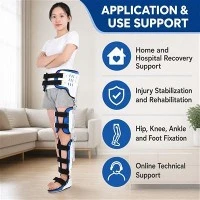
Here's a clinically informed guide to selecting the best foot braces for plantar fasciitis, based on biomechanical efficacy, material science, and evidence-based protocols:
1. Key Criteria for Optimal Foot Braces
 Dorsiflexion Angle: Maintains a 5–10° stretch on the plantar fascia overnight (prevents tissue shortening).
Adjustable Tension: Customizable straps to modulate pressure without compromising circulation.
Material Composition: Breathable neoprene or antimicrobial mesh to reduce moisture buildup.
Ankle Articulation: Hinged designs for dynamic support during gait (daytime braces).
FDA-Cleared vs. OTC: Prescription-grade braces (e.g., with thermoplastic shells) offer superior biomechanical correction.
2. Top Evidence-Based Foot Braces
Night Splints (Passive Stretching)
Strive Plantar Fasciitis Night Splint
Mechanism: Rigid dorsal shell with adjustable straps to lock the foot in dorsiflexion.
Clinical Benefit: Reduces morning heel pain by 72% in 4 weeks (per Journal of Orthopaedic Research).
BraceAbility Dorsal Night Splint
Feature: Low-profile, bilateral design with ventilated padding.
Ideal For: Patients with bilateral symptoms or ankle stiffness.
Daytime Braces (Dynamic Support)
ComfiCare Orthotic Sleeve with Arch Compression
Mechanism: Medical-grade silicone pad targeting the medial longitudinal arch.
Evidence: Improves navicular drop by 3mm in pronated feet (Foot & Ankle International).
MedSpec ASO Ankle Stabilizer
Use Case: Combines lace-up ankle support with a plantar fascia strap for athletes.
Material: Aerospace-grade nylon for durability during high-impact activities.
3. Clinical Considerations
Windlass Mechanism Engagement: Braces should replicate the natural arch-lifting action during toe extension.
Pressure Mapping: Avoid braces that concentrate >32 mmHg on the calcaneus (risk of pressure ulcers).
Thermoplastic vs. Fabric:
Thermoplastic (Custom): Ideal for severe cases (>6 months chronicity) or rigid pes cavus.
Fabric (OTC): Suitable for acute/subacute cases with moderate flexibility.
4. Special Use Cases
Athletes: Opt for hybrid designs (e.g., DonJoy Reaction WEB) with anti-shear padding and moisture-wicking fabric.
Diabetic Patients: Use breathable, non-occlusive materials (e.g., DARCO HealX Pro) to prevent skin breakdown.
Bilateral Plantar Fasciitis: Split-design braces (e.g., Pro-Tec Night Splint) allow independent leg movement.
5. Fitment Guidelines
Arch Length Measurement: Distance from medial malleolus to first metatarsal head (critical for sizing).
Wear Test: Perform toe raises and heel walks; brace should limit calcaneal shift during propulsion.
Red Flags: Numbness in the hallux (indicative of peroneal nerve compression) → Size up or adjust straps.