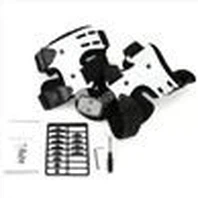
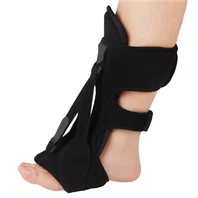
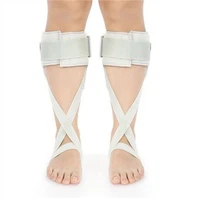
An air walker brace (also called a controlled ankle motion boot or CAM boot) is a rigid, supportive medical device used to immobilize, protect, and stabilize the foot, ankle, or lower leg during healing. It combines a hard shell with adjustable air cells for compression and customization. Here's what it's commonly used for:
 Primary Uses
Severe Ankle Sprains/Strains
Provides rigid support to prevent reinjury while allowing limited mobility.
Reduces swelling via adjustable air bladders.
Foot/Ankle Fractures
Stabilizes minor fractures (e.g., stress fractures, metatarsal breaks) or serves as a post-cast option after bone healing begins.
Protects the area during weight-bearing activities.
Post-Surgical Recovery
Used after surgeries like Achilles tendon repairs, ankle fusion, or fracture fixation to restrict movement and promote proper healing.
Soft Tissue Injuries
Manages tendonitis, severe ligament tears, or plantar fasciitis by offloading pressure and reducing strain.
Severe Bruising or Swelling
Compression from air cells helps control inflammation while maintaining stability.
Key Features
Rigid Shell: Made of hard plastic to restrict ankle/foot movement.
Adjustable Air Bladders: Customizable compression to accommodate swelling changes.
Rocker Bottom Sole: Allows a more natural walking motion while minimizing stress on the injured area.
Removable Design: Can be taken off for hygiene, skin checks, or physical therapy.
Benefits Over Traditional Casts
Improved Mobility: Permits limited walking (if approved by a doctor) with the rocker sole.
Adjustability: Air bladders ensure a snug fit as swelling fluctuates.
Comfort: Padded lining and open-toe design reduce skin irritation.
Non-Invasive: Often avoids the need for a full plaster cast.
Air Walker vs. Aircast
Air Walker: More rigid, designed for severe injuries (fractures, post-surgery). Restricts ankle motion entirely.
Aircast: Softer, lighter support for mild-to-moderate sprains. Allows some ankle movement.