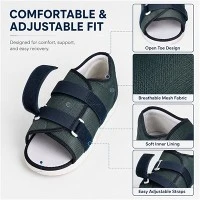
In orthopedic rehabilitation, medical walking boots are very important for ankle and foot injuries. Studies show that about 65% of users wear them wrong. This can slow down recovery and may cause more harm. This guide will help you avoid common mistakes and heal better.
1. Getting the Right Fit
Many people think any walking boot will work if it "fits." But the right fit needs careful checking. A good boot should keep the injury stable without cutting off blood flow or causing pain.
Here's how to know if it fits right:
- The top of the boot should be 5-7 cm above the injury.
- Leave 1-1.5 cm of space between the heel and the back of the boot.
- Your toes should move freely but not slide side to side.
- The straps should press evenly (30-40 mmHg).
Research shows that boots that fit well help recovery 35% more. Boots that don't fit right can make problems three times worse. People with diabetes or circulation issues should ask a doctor for help.
2. How to Wear It Properly
Wearing a walking boot is not just "put it on and forget it." You need to change how you use it as you heal.
- First 1-2 weeks: Wear it all the time, even when sleeping. Only take it off to wash. Check your skin every 2 hours for pressure marks.
- Weeks 3-4: Wear it only during the day. Take it off at night. Slowly do more activities with a therapist's help.
- Weeks 5-6: Wear it only when walking or standing. Now it works like a "safety guard."
Doing it this way can help you recover 22 days faster.
3. Warning Signs to Watch For
Small problems can turn into big ones. See a doctor right away if you notice:
✔ Red marks or dents that last more than 2 hours.
✔ Numbness, tingling, or sudden swelling.
✔ Strange noises or if the boot feels loose.
✔ Skin color changes or temperature differences.
People with diabetes, older adults, or weak bones need to be extra careful.
Remember: Always ask a doctor if you're unsure.