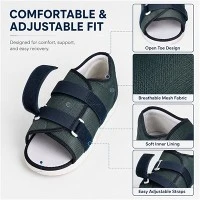
🔍 4 invisible signs your brace is expired (even if it looks intact!)
①5-second pinch test
Press the elastic area (e.g. ankle cuff) with your thumb. If the fabric doesn't snap back immediately → "more than 30% loss in support"
②Silent failure of Velcro
Velcro loses its grip? It loses about 7‰ of its stickiness with every re-application. After 200+ uses → end of life
③Metal betrayal
Gently bend the plastic/metal brace. If they squeak or stay bent → compromised joint protection
④Bulging seams = red alert
Bulging seams or lumps in padding? Friction increases risk of blisters by 200%
⚡ Actual consequences
| Brace Type | Avg. Lifespan | Failure Consequence |
|---|---|---|
| Ankle Sleeves | 6-9 months | Re-sprain risk "↑45%" |
| Wrist Splints | 1 year | Carpal tunnel pressure "↑40%" |
| Knee Hinges | 2-3 years | ACL overstretch "↑80%" |
♻️ When to repair vs. when to replace
✅ Keep if → Minor needle and thread damage, loose thread (can be fixed with floss + needle)
❌ Discard immediately if →
Cracked plastic parts (shower water temperature will accelerate damage)
Vinegar smell from hardened rubber (chemical decomposition)
Foam is as fragile as an old sofa cushion
🌿 Extend brace life by 2 times
| Storage Mistake | Fix Hack |
|---|---|
| Closet mold | Seal with desiccant packs ($1/50 bags) |
| UV damage | Spray UV-protectant for shoes (every 3 months) |
| Sweat buildup | 10min freezer kill bacteria → NO WASHING! |
🛑 High-risk groups
It is critical to change braces for:
Elderly people (thinner skin → bruises 5 times faster)
Diabetics (micro tears = infection prone)
Contact sports (football/hockey hits accelerate material fatigue)
Shop fresh stock: Click Here