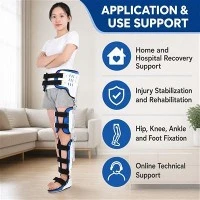
Knee supports can be beneficial in specific scenarios, but their effectiveness depends on the type of support, the underlying condition, and proper usage. Here's a structured summary:
 1. Types and Purposes:
- Compression Sleeves: Provide warmth and mild support, reduce swelling, and may enhance proprioception (body awareness), potentially aiding in injury prevention during activities.
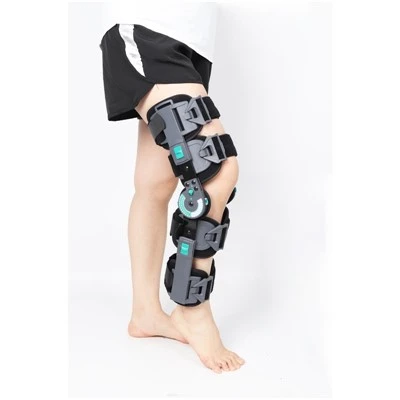
- Hinged Braces: Offer stability for serious injuries (e.g., ACL tears) or post-surgery recovery, restricting harmful movements.
- Patellar Straps: Target tendonitis (e.g., jumper's knee) by relieving pressure on the patellar tendon.
- Unloader Braces: Designed for arthritis, shifting weight away from damaged cartilage to reduce pain.
2. Evidence-Based Benefits:
- Osteoarthritis: Studies show unloader braces can reduce pain and improve function by offloading pressure.
- Post-Surgery/Injury: Hinged braces are often recommended to protect ligaments (e.g., ACL repairs) during healing.
- Proprioception: Some evidence suggests enhanced joint awareness, though more research is needed.
3. Considerations and Limitations:
- Condition-Specific: Effectiveness varies (e.g., helpful for patellar tracking issues but less so for general muscle weakness).
- Muscle Atrophy Risk: Over-reliance may weaken knee muscles; should complement, not replace, strengthening exercises.
- Proper Fit and Use: Ill-fitting braces can cause discomfort or restrict blood flow; consult a professional for sizing.
4. Psychological Impact:
Confidence boost during movement or sports, aiding recovery through increased activity.
5. Medical Consensus:
Often recommended as part of a holistic plan (e.g., combined with physiotherapy, weight management, and medication).
Conclusion: Knee supports are not universally effective but can be valuable tools when matched to the correct condition and used appropriately. Consultation with a healthcare provider ensures optimal selection and integration into a broader treatment strategy.