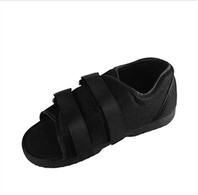
1, Overview: Orthopedic braces are auxiliary devices used to assist in the treatment of skeletal system diseases and injuries. It can provide support, fixation, protection, and correction functions, helping to restore the normal structure and function of bones. Common orthopedic braces include plaster fixation, external fixation, orthotics, and orthopedic shoes.
2, Gypsum fixation is a commonly used orthopedic brace used to fix the site of fractures or joint dislocations, maintain their stability, and promote healing. Gypsum fixation is achieved by wrapping the affected limb in plaster material to maintain its fixed state. Gypsum fixation can effectively limit range of motion, reduce pain and swelling, and promote bone healing.
3, External fixation is a treatment method that uses external devices to fix fractures or joint dislocations. It consists of a metal bracket and steel wire, which is fixed together by threading the wire through the skin and bones to fix the fractured or dislocated area. External fixation is widely used in postoperative fracture treatment and reconstruction surgery, providing stable support and protection, promoting fracture healing and bone recovery.
4, Orthotics are braces used to correct bone deformities or improve posture. Common orthotics include spinal orthotics, knee joint orthotics, and arch orthotics. Spinal orthotics mainly
Used to treat scoliosis and spinal deformities, correcting the posture of the spine through external support and pressure. Knee joint orthotics are mainly used to treat knee joint deformities and functional disorders, providing stable support and adjusting the angle of the knee joint. Arch orthotics are mainly used to treat flat feet and arch deformities, improving gait and reducing pain by providing arch support and adjusting foot posture.
5, Orthopedic shoes are a special type of footwear used to correct foot deformities and improve gait. According to the type and severity of foot deformities, orthopedic shoes can provide appropriate support and stability, adjust foot posture and force line distribution, alleviate pain, and improve walking function. Orthopedic shoes can be used to treat issues such as foot deformities, arch abnormalities, foot inflammation, and foot injuries.
6, Precautions for use: When using orthopedic braces, it is necessary to use them correctly according to the doctor's advice and guidance. In general, the precautions for using orthopedic braces include: keeping the braces clean and dry, avoiding prolonged wetting; Avoid excessive activity and vigorous exercise to avoid affecting the fixation effect of the brace; Regularly check the fixing status and effectiveness of the supports, and repair or replace them promptly if they are loose or damaged; Follow the doctor's rehabilitation plan and recommendations, and cooperate with rehabilitation training and functional exercises.
7, Orthopedic braces are an important treatment tool that plays a crucial role in the treatment of orthopedic diseases and injuries. By using orthopedic braces correctly, support, fixation, and preservation can be provided
Protective and corrective functions promote bone healing and recovery. When using orthopedic braces, one should follow the doctor's advice and guidance for proper use, and pay attention to keeping the braces clean, dry, and fixed. By using orthopedic braces reasonably, it can help patients recover and resume normal life as soon as possible.