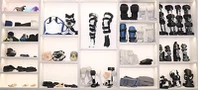
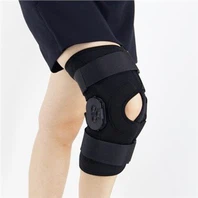
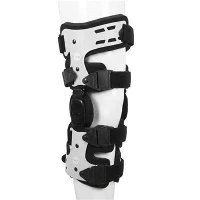
1. Upper limb training aids: Upper limb training aids are used for rehabilitation training of shoulders, upper arms, forearms, and hands. (1) Shoulder joint rotation trainer: performs shoulder joint rotation movements, expands range of motion, and enhances shoulder muscle strength
(2) Shoulder lifting trainer: By placing sticks at different heights, upper limb lifting skills are trained
Can hang sandbags at both ends of the stick to increase resistance.
(3) Shoulder ladder: By continuously moving up the ladder with fingers, gradually increasing the range of motion of the shoulder joint,
Reduce pain. (4) Pulley and lifting ring trainer: increases shoulder joint mobility, and can also be used for joint traction and muscle strength training.
(5) Upper limb push training device: improves upper limb extensor muscle strength, upper limb joint range of motion, and coordination activity
Ability to move. (6) Elbow joint traction chair: used for continuous traction of the elbow joint, for individuals with elbow joint flexion and extension movement disorders. The weight and direction of traction, seat height, and fixing parts can be adjusted as needed. (7) Forearm Rotation Trainer:
Train joint mobility to prevent and improve limited forearm rotation function. Simultaneously, muscle strength and endurance training are conducted through resistance exercises performed by patients under different resistance levels. (8) Wrist joint flexion and extension trainer: trains the range of motion and muscle strength of the wrist joint.
(9) Wrist joint rotator: Train wrist joint rotation, improve joint mobility, and increase muscle strength and endurance.
(10) Composite wall tensioner: By actively moving with resistance, it improves muscle strength. Joint mobility training
Exercise, prevent deformities, and train muscles and joints throughout the body. (11) Series dumbbells: used to enhance muscle strength and endurance. (12) Gymnastics baton and throwing and receiving ball: improve upper limb range of motion, enhance limb coordination, control and balance abilities, and have two types: vertical and horizontal.
(13) Hand support device: Train upper limb support ability and transfer from bed to wheelchair (body transfer)
Training.
(14) Finger strength training table: used for training finger strength and joint mobility.
2. Lower limb training aids are assistive devices used for training the lower limbs. (1) Lower limb rehabilitation training
Trainer: Used to train the range of motion and coordination function of lower limb joints. (2) Heavy hammer hip joint trainer: Used to train the muscle strength of hip joint abduction and adduction. (3) Hip joint rotation trainer: improves hip joint rotation through circular foot movements
Can
(4) Quadriceps training chair: enhances muscle strength and joint mobility training, suitable for knee joint
be limited to.
(5) Ankle joint flexion and extension trainer: trains ankle joint range of motion, corrects foot sagging, inside and outside the foot
Flip and wait, provide standing function training for individuals with standing disabilities.
(6) Ankle joint trainer: corrects lower limb posture, prevents foot sagging, inversion, eversion, etc
Deformity can also be treated with standing training.
(7) Ankle joint correction plate: used to correct and prevent deformities such as foot sagging, inversion, and eversion
Form.
(8) Stepper: Used for training lower limb range of motion and coordination function, with two options: upright and seated
Seed.
(9) Stand up bed: used for standing training, including manual and electric options.
3. Comprehensive training aids Comprehensive training aids are used for simultaneous training of multiple parts such as upper and lower limbs, shoulder and back muscles, joints, etc
(1) Ribs: Used for joint movement and muscle strength training of the upper and lower limbs, as well as sitting, standing, and standing exercises,
Balance and trunk stretching training can also be used with shoulder ladders.
(2) Stand: Used for training the standing function. Standing training stand for children with cerebral palsy, single person
Paraplegic standing stand, double paraplegic standing stand, quadruple paraplegic standing stand, etc. Simultaneously prevent and improve osteoporosis, pressure ulcers, and decreased cardiovascular and pulmonary function.
(3) Combination exercise trainer: consisting of shoulder joint rotation trainer, forearm rotation trainer, wrist
A combination of four joint flexion and extension trainers and a compound wall tension device.
(4) Hemiplegic rehabilitation device: used for training hemiplegic patients, utilizing the healthy limb to assist the affected limb
Perform passive training to increase joint mobility.
(5) Functional traction grid: used for training muscle strength and joint mobility, with traction and relaxation
Adjustment effect.
(6) Chest and back correction exercise device: used for training patients with chest and back deformities to prevent and correct them
Chest and back deformities.
(7) Rowing exercise equipment: used for improving muscle strength and endurance of the waist and back, upper limb flexor muscle group, and lower limb extensor muscle group
Endurance training.
(8) Series sandbags: used for muscle strength training, joint range of motion training, and joint flexion and extension training
Practice.
Walking series
1. Training ladder? Purpose: Used for improving patients' walking ability training, with adjustable armrest height
The patient needs to make adjustments
2. Drawer style staircase
Usage: A simple training ladder that can also be used as seating equipment for different heights
3. Balance bar
Purpose: Use the upper limbs for gait training to improve walking balance and stability
4. Assistive walking trainer
Purpose: To increase the upper limb support area and improve the effectiveness of assisted walking. There are regular and brake equipped options available
There are three types: seat and foldable.
5. Imported rehabilitation specific electric jogging table
Purpose: To provide walking training at different speeds to patients as needed, in conjunction with an overall protective frame
Use of weight loss gait training device.
6. Assistive walking trainer
Purpose: To increase the E-limb support area and improve the effectiveness of assisted walking.
Exercise upper limbs
1. Purpose of elbow joint traction chair: to lift the range of elbow joint movement through elbow joint traction. 2. Purpose of wrist joint rotation exercise device: to improve the range of wrist joint movement
3. Shoulder joint rotation trainer
Purpose: To perform shoulder joint rotation movements and expand range of motion. Enhance shoulder muscle strength
4. Shoulder Lift Trainer
Purpose: To train upper limb lifting function by placing sticks at different heights.
5. Shoulder ladder
Purpose: By continuously moving up the steps with fingers, gradually increasing the range of motion of the shoulder joint
relieve pain
6. Upper limb recommendation training device
Purpose: Used for training upper limb muscle strength and coordinated mobility. Improve the range of motion of upper limb joints
7. Forearm Rotation Trainer Purpose: Used for training the internal and external rotation of the forearm, as well as joint mobility training. Preventing and improving restricted forearm rotation function
8. Wrist joint flexion and extension trainer
Usage: Improve wrist joint range of motion and muscle strength training, used for wrist joint flexion and extension training
Practice
9. Series dumbbell usage: Used to enhance muscle strength and endurance. Suitable for individuals with low muscle strength such as muscle paralysis
10. Hand support device
Usage: Used for patients to support themselves with their hands for various movements
1. Upper limb coordination function exercise device
Purpose: Used for training upper limb stability and coordination.
12. Finger function trainer
Purpose: Used for training finger operation functions
13. Finger Steps
Purpose: To improve finger joint mobility by training the adjacent two fingers of the four fingers except for the thumb to climb stairs
Range.
1 4. Fingerboard
Purpose: Used for training to suppress finger flexion tension and prevent finger flexion contraction. There is a leader
There are three types of wheels: directional wheels, belt direction wheels, and curved wheels
Exercise lower limbs
Purpose of Lower Limb Rehabilitation Trainer: Used for training to improve the range of motion and coordination function of lower limb joints
2. Heavy hammer hip joint trainer
Usage: Used for hip joint abduction and adduction muscle strength training in patients
3. Usage of quadriceps training board: Used for active exercise training of quadriceps in patients with limited knee joint movement
4. Quadriceps training chair
Purpose: Joint mobility training. Suitable for knee joint restriction
5. Ankle joint trainer
Purpose: It is a device used to correct lower limb posture and prevent deformities. Correct posture to prevent foot movement
Abnormalities such as sagging, plantar movement, and eversion. Standing training
6. Ankle joint correction plate
Usage: Used for correcting and preventing deformities such as foot sagging, inversion, and eversion
shape
Purpose: To use the healthy limb to assist the affected limb in passive training and increase joint activity
Movement
rr I CI " A t* &
1 I1
8. Functional traction grid structure
Purpose: Used for training muscle strength and joint mobility, improving muscle strength and joint mobility. discharge
Pine adjustment training
9. Series sandbags
Usage: Used for muscle strength training, joint range of motion training, and joint flexion and extension training
1 0. Corrector
Purpose: A mirror for patients to observe the degree of gait and posture abnormalities, and for training purposes
11. Purpose of the T comprehensive training workbench: for comprehensive training of upper limb and hand functions. Training the perception ability of the affected limb and the brain's ability to recognize shapes
1 2. 0T table
Purpose: Used for upper limb function recovery, finger function and cognitive training.
13. Application of hydraulic stepper: lower limb mobility endurance training
14. PT stool
Purpose: It is a movable sitting device used by therapists to perform manual therapy on patients
1. 5. Combination cushion use: Used for patients to exercise on various cushions. Serve as a protective measure
1 6. Wedge shaped pad
Children with unstable sitting and low ability to automatically adjust their position
17. Iron rod insertion plate
Purpose: Used for coordination training, training finger fine movements and hand eye coordination ability
1&Install screws
Purpose: To improve finger function by simulating the practice of screwing on screws
1 9. Adjustable wet sand grinding table
Purpose: Used to increase upper limb muscle strength and coordination, and improve upper limb joint mobility training
20. Ferrule ring
Purpose: Used for training trunk balance. Train hand eye coordination. Muscle strength training.
Taste based activities can improve psychological well-being
Exercise the whole body
1 Multi functional combination training rack
Purpose: Combination training to improve the range of motion of all joints in the body, and to form shoulder ladders and bare joint training
Trainer, pulley, lifting ring trainer, compound wall brace, chest and back correction exercise device, shooting rack, rib cage
2. Duplex Wall Puller
Purpose: Used for limb muscle strength training and joint range of motion training
3. Passive training device for limbs: used when using a healthy body to drive the affected limb for muscle strength training
4. Parallel bars are used for gait training with the help of the upper limbs, to enhance walking balance and stability
5. Application of cervical traction chair: for cervical rehabilitation treatment
6. Purpose of PT training bed: Training activities on the bed
Blind assistive devices
1. Blind Ping Pong Ball Function: Suitable for people with low vision and the blind. The ball contains beads that can produce sound, allowing players to determine the path of the ball based on the sound.
2. Blind Football
Function: Handmade sewing, ultra soft fabric material. Excellent foot feel - soft and comfortable, with a thick internal sound that satisfies your position judgment of the sphere. Suitable for blind sports
3. Blind specific chess function: Blind oak chess with blind spots, suitable for blind leisure and entertainment. 4. Blind specific magnetic black and white chess
Function: Suitable for entertainment for the blind, the chess pieces are magnetic products (black chess pieces have patterns on the surface, white chess pieces are smooth, easy for the blind to distinguish), attached to the chessboard, the chessboard is a fabric with soft metal inside and a grid outside, easy to fix the chess pieces, allowing the blind to touch the chess pieces without making them difficult for the blind to distinguish
Deaf assistive devices
1. Daily conversation textbooks for deaf people
Function: Sign language teaching software suitable for general deaf people for daily conversations and conversations
2. Deaf Sign Language Video Training Textbook Function: A software suitable for learning deaf people, deaf families, special education institutions, related units, and individuals
Children's limb rehabilitation training aids
1. Children's ladder back frame
Usage: Can be used as an assistive device for walking or as a support device for sitting or standing
2. Guided Education Combination Six Piece Set
Purpose: Adjust the sensitivity of sensory nerves in the brain, coordinate the overall nervous system function, and lay the foundation for brain development
Exhibition foundation.
3. Chair for correcting sitting posture in children with cerebral palsy
Purpose: Suitable for correcting sitting posture in children with cerebral palsy.
4. Application of children's sitting posture correction chair: to correct children's sitting posture training
5. Child safety stand
Purpose: To provide fixed support for the chest, arms, knees, and feet of pediatric patients, ensuring their long-term stability
Standing between
ETK~Order
6. Crawler frame
Purpose: To train the upper limb support and crawling ability of children with cerebral palsy or developmental delay
ETK 30
7. Application of children's quadriceps training chair: lower limb joint range of motion and muscle strength training for children
8. Child rib
Usage: Used for children's standing training, posture correction, and sitting standing transfer training
9. Children's drum uses: balance and coordination training
10. Children's training slide
Purpose: Used for balance training
11. Children's parallel bars
Purpose: Gait training for children, correcting poor gait, enhancing muscle strength training
1 2. Use of children's stairs: gait training for children going up and down stairs
Children's cognitive rehabilitation training aids
1. Choose and practice rings
Purpose: Improve children's perception and cognitive abilities, train hand eye coordination function
2. Application of simulated fruits: improve children's perception and cognitive abilities, train hand eye coordination function
m-n
3. Children's cognitive training device
Purpose: To train children's cognitive function
ETK-12
4. Magnetic wood adhesive application: used for finger grip training
ETK-41
5. Children's Popo Pool
Usage: By engaging in various movements in the pool, utilizing stimuli such as touch and color perception, it promotes sensory stimulation
Recovery of sensory and motor functions.
6. The purpose of the abacus is to train cognitive abilities in numbers and arithmetic. 7. The purpose of the geometric shape plugin is to train patients' perceptual abilities and the brain's ability to recognize shapes
8. Cognitive assembly building blocks
Purpose: To train cognitive abilities. Train upper limb coordination.
9. C-M GX Maze Trainer
Usage: Suitable for crawling training
10. Geometric Shape Insertion Board Purpose: Beneficial for improving patients' perception ability of various shapes