Prescription for Health Education for Orthopedic Patients
After admission, guidance on daily life, diet, activities, and rest should be provided. Fingernails and toenails should be cut short immediately upon admission. If there are bloodstains, patients should wipe them clean immediately. Male patients should shave their beards to prevent cross infection. Diet: After a bone fracture or trauma, the body's consumption increases. At this time, the intake of nutrients must be greater than the consumption in order for the disease to have a possibility of recovery. So the total amount of food should be ensured, the meals should meet the patient's appetite, pay attention to color, aroma, and taste, and patients with poor appetite should have small and multiple meals. After trauma, the body undergoes a series of endocrine and metabolic changes. Reasonable and timely supplementation of nutrients can reduce the occurrence of infections and complications, which is beneficial for rapid wound healing and recovery. In the early stage of bone fracture, a light diet should be recommended, with plenty of soup and rich nutrition. Avoid oily and fried foods, and the taste should not be too spicy. There is no need to be too confined to the folk notion of various "substances", but alcohol should be consumed as little as possible or avoided, especially during injections and medication. Because alcohol interacts with multiple drugs, it may affect the efficacy of the medication or cause adverse reactions. Tea should be consumed in moderation as it contains high levels of tannins, which can affect the absorption of calcium, iron, and protein; Vinegar and spinach should be consumed in moderation as they acidify the blood and cause bone decalcification. The most important thing is not to smoke. Smoking can affect fracture healing. And it will have an impact on other patients in the same room.
Functional exercise guidance: The specific plan for functional exercise should be formulated based on the patient's injury site, surgical method, and overall health. The principle of functional exercise is based on promoting fracture healing and functional recovery, with the restoration of the body's inherent physiological functions as the center, and must be guided by medical staff
Step by step throughout the entire process of fracture healing, only proper functional exercise can promote the patient's early recovery. Schedule: In the morning, we will go to each room to make the bed. Please cooperate with our work as much as possible to keep the desktop and under the bed clean, and regularly open windows for ventilation to keep the indoor air fresh and prevent cross infection. Additionally, please comply with the hospital regulations and refrain from using electrical appliances, making loud noises, playing poker or chess in the ward. Blood and stool tests: Except for emergency blood tests, blood tests should be taken from 6:00 to 7:00 in the morning, and fasting should be performed before morning blood tests.
All medical staff from the Department of Surgery wish you all the best
Dietary guidance for fracture patients
According to the development of the condition, different foods should be prepared to promote hematoma absorption or callus formation. Early stage (1-2 weeks): Blood stasis and swelling in the injured area, obstruction of meridians, and blockage of qi and blood. Treatment in this stage mainly focuses on promoting blood circulation and removing blood stasis, and dissipating qi. Traditional Chinese Medicine believes that "if blood stasis cannot be removed, bones cannot be regenerated" and "if blood stasis is removed, new bones will be regenerated". It can be seen that reducing swelling and dispersing blood stasis are the primary factors for fracture healing. The principle of diet should be light and easy to digest, such as vegetables, eggs, soy products, fruits, fish soup, lean meat, etc. Avoid eating sour, spicy, hot, greasy foods, and especially avoid consuming fatty, sweet, and nourishing foods too early, such as bone soup, fatty chicken, stewed fish, etc. Otherwise, blood stasis will accumulate and be difficult to dissipate, delaying the course of the disease, causing slow growth of bone crusts, and affecting the recovery of joint function in the future. Mid term (2-4 weeks): Most of the blood stasis and swelling are absorbed. Treatment during this period mainly focuses on relieving pain, removing blood stasis and promoting new vitality, and connecting bones and tendons. In terms of diet, the focus has shifted from light to nourishing to meet the needs of callus growth. In the early stages of the diet, bone soup, Tianqi pot chicken, animal liver, and other ingredients can be added to supplement more vitamins A, D, calcium, and protein. Avoid spicy, fatty, sweet, and greasy foods. Sweet foods should be eaten less, coffee and strong tea should be consumed less, and carbonated drinks should be avoided. Pay attention to the combination of coarse and fine food, eat small meals frequently. Late stage (more than 5 weeks): After 5 weeks of injury, the bruising at the fracture site is basically absorbed, and callus growth has begun. This is the late stage of fracture. Treatment should be supplemented by nourishing the liver, kidneys, qi, and blood to promote the formation of more solid bone crusts, as well as to relax muscles and activate collaterals, allowing adjacent joints near the fracture site to move freely and flexibly, restoring their previous functions. Taboos can be lifted in terms of diet, and the recipe can be paired with old mother chicken soup, pig bone soup, sheep bone soup, stewed water fish, etc. Those who can drink alcohol can choose Eucommia ulmoides bone broken tonic wine, chicken blood vine wine, tiger bone papaya wine, etc.
Health education for spinal cord injury
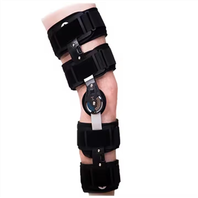
1. Guide patients to learn daily living activities and self-care. For patients with severe limb dysfunction, guide them on how to make lifestyle changes, such as dressing and eating with one hand; 2. Teach patients to pay attention to protecting their affected limbs in daily activities to prevent further injury. If the patient's hands come into contact with a hot water kettle or pot, they should wear thick gloves to avoid burns; 3. When going out or engaging in daily activities, one should avoid others colliding with the affected limb, and if necessary, wear braces to keep the patient in a functional position; 4. Guide and encourage patients to use the affected limb as much as possible in work and daily activities, integrate rehabilitation training into daily life activities, and promote early recovery of function.
Rehabilitation education for amputees
(1) Maintaining an appropriate weight is crucial for modern prosthetics, as the shape and capacity of the receiving cavity are very precise. Generally, a weight increase or decrease of more than 3kg can cause the cavity to become too tight or too loose, so maintaining an appropriate weight is important. (2) Preventing muscle atrophy in residual limbs is very important, such as training the affected foot for leg amputation, which involves residual muscle training. (3) To prevent swelling or lipid deposition of residual limbs, elastic bandages should be used to wrap them. Once the prosthetic limb is removed, it should be bandaged. (4) Keep the skin of the residual limb and the prosthetic receiving cavity clean to prevent redness, swelling, thickening, keratinization, folliculitis, ulcers, allergies, dermatitis, etc. of the residual limb skin, and maintain the health of the residual limb skin. (5) Pay attention to safety, avoid accidents such as falls, closely observe changes in the condition of residual limbs, prevent complications of residual limbs, and follow up regularly. Amputees should treat their illnesses correctly and build confidence in overcoming them. Assist and train patients to use their healthy limbs to do what they can as soon as possible, and promote their basic self-care. During the rest period, it is necessary to arrange a reasonable schedule and use various methods to enrich the content of life. Enable patients to return to society as soon as possible and learn, work, and live like normal people. Provide community care for patients, utilizing management and guidance through rehabilitation stations, family wards, and other aspects of patient rehabilitation, following the principle of "functional training, comprehensive rehabilitation, and reintegration into society"
Then, complete the comprehensive rehabilitation of the patient.
Rehabilitation education for cervical spondylosis
Avoiding triggering factors: Cervical spondylosis is a chronic disease that is difficult to eradicate in the short term, so prevention of cervical spondylosis should be strengthened in daily life. The pathogenic factors of cervical spondylosis are complex, but they can generally be divided into internal factors (internal factors) and external factors (acute and chronic external factors), which can be mutually causal. Internal factors are the basis of disease, while external factors can be prevented. Measures should be taken from two aspects to effectively reduce the incidence rate and prevent the recurrence of cured patients. In addition to triggering factors, common ones include pillowing, catching a cold, excessive fatigue, forced posture work, poor posture, and other diseases (such as throat inflammation, hypertension, endocrine disorders, etc.). (1) Prevent external injuries
Try to avoid various unexpected sports injuries in daily life, such as sleeping while riding or sudden braking, which can easily cause cervical spine injuries. Therefore, try to prevent them as much as possible and avoid dozing off while riding. When working or walking, be careful not to flash or injure. After a head and neck injury, it is necessary to seek early diagnosis and treatment at the hospital in a timely manner. (2) Correcting poor posture
Pay attention to preventing external injuries and correcting poor posture in work and life. Due to work requirements, some occupations require special postures or prolonged work in forced positions. If not taken seriously, it can easily lead to soft tissue fatigue injuries in the neck and shoulders, resulting in cervical instability and cervical spondylosis. To prevent chronic injuries, in addition to balancing exercises during work or leisure time, certain exercise programs can also be selected according to different ages and physical conditions,
Engage in exercises that enhance muscle strength and improve physical fitness. Other regular long-term exercise programs, such as walking and jogging, can also help prevent the recurrence of cervical spondylosis.
Health education after femoral shaft fracture surgery
After internal fixation surgery for femoral shaft fractures, muscle isometric exercises, ankle and foot exercises can be started on the same day or the second day, and early physical therapy should be provided to help reduce swelling, fibrosis and adhesion of muscles, and create conditions for good functional recovery in the future. The physical therapy time should not be later than the second day after surgery. After the third day after surgery, the pain response subsides, and the knee and hip joints can be moved in bed, with passive movement of the patella up and down, left and right. If the pillow is placed under the knee joint for too long, the hip joint can be flexed and contracted. Sometimes hip and knee joints can be flexed 90 degrees during exercise. Muscle exercises mainly involve isometric contractions, supplemented by isometric contractions; Among them, the equal length and isometric contraction of the quadriceps femoris are extremely important. Based on the patient's overall condition, accompanying injuries, and compliance, walking with double axillary canes or scaffolds can begin 5-6 days after surgery. Patients with good cooperation can partially bear weight and gradually increase the weight over 2-3 weeks, progressing to complete walking with a single cane after about 2 months.
Health Education for Ankle Fracture after Gypsum Fixation
After restoration and fixation, move the toes appropriately and perform back extension exercises. From the second week of ankle fixation, the active range of motion of the ankle joint can be increased, but rotation and internal and external flipping movements should be prohibited. After 3 weeks, the patient can use crutches for weight-bearing activities. After 4-5 weeks, the fixation will be released and replaced with a single crutch, gradually increasing the negative weight. After clinical healing of fractures, patients should engage in various functional activities of the affected limb under weight-bearing, including ankle flexion and rotation movements, in order to recover ankle joint function as soon as possible.
Health Education for Femoral Neck Fractures
For patients undergoing compression screw internal fixation surgery, the principle is to perform isometric contraction exercises on all muscle groups of the affected limb on the first day after surgery. On the second to third day, they can get up and move around, and the affected limb is allowed to bear weight. After one week, the main muscle strength exercises for the hip muscles will be done in the form of equal length contractions, and assisted flexion and extension exercises for the hip and knee will begin. However, the operation should be gentle and gradually increase in amplitude to avoid causing obvious pain. Then, gradually switch to active flexion and extension exercises to increase the amplitude of active movement. After 2 weeks of surgery, the third stage of rehabilitation can begin, and after 3-4 weeks, the original social life can be fully restored. For femoral neck fractures with mild displacement, in order to reduce the possibility of femoral head necrosis, the affected femoral head should be given 8-12 weeks of non load rest. The affected limb cannot walk on the ground and does not bear the weight of the body. Other training programs include: doing isometric exercises on the first day after surgery, actively moving joints with isometric exercises starting on the second day, and using crutches to get out of bed on the third day without weight-bearing the affected limb. Transition to the third stage of rehabilitation after 8-12 weeks.
Health education after hand injury repair surgery
1. Raise the affected limb, promote blood reflux, and reduce swelling. 2. Physical therapy: Early use of baking lamps for irradiation. 3. Exercise therapy: Passive activity: On the third day after surgery, under the protection of a cast, passive activity is initiated to repair the flexor tendon and achieve complete flexion; Repair of extensor tendon, complete extension, 3 times per minute in the first week, for 15 consecutive minutes; Twice a minute in the second week, for 10 consecutive minutes; Four times per minute in the third week, for 20 consecutive minutes; Five times per minute in the fourth week, for 25 consecutive minutes; Afterwards, gradually increase the frequency of activities, with one unit of passive activity in the morning, afternoon, and evening. 4. Exercise therapy: active activity: active dorsiflexion after flexor tendon repair surgery; Active flexion after extensor tendon repair surgery; 3-5 times in the first week; 2-3 times in the second week; 5-10 times in the third week; More than 10 times in the fourth week; Afterwards, gradually increase the frequency of activities.
Health education for surgical neck fractures of humerus
1. Outward type: mostly stable, can be suspended and fixed with a triangular bandage for 4-6 weeks. Early on, do fist clenching and elbow and wrist joint flexion and extension exercises to limit shoulder abduction activities. 2. Introverted type: Difficult to treat, after reduction, use a triangular bandage to brake for 4-6 weeks. Mainly aimed at preventing pulmonary complications and early functional activity, limiting shoulder adduction activity. Prevent the occurrence of shoulder periarthritis and shoulder joint stiffness.
Health education for cervical and fibular fractures
1. After surgery, lie flat on the pillow for 6 hours and fast for 6 hours without water. 2. Dietary therapy: 1-2 weeks after injury, the diet should promote blood circulation and remove blood stasis, be light and easy to digest, such as lean meat soup. Fish fillet soup, etc., eat more fresh vegetables and fruits, avoid eating sour, spicy, dry, hot, and greasy nourishing products. After 3-5 weeks, it is recommended to supplement qi and blood in the diet, such as bone setting and relaxing tendons like pig's foot soup and Beiqi black chicken soup. Bone soup, Tianqi soup, animal liver, etc. can be added to the initial diet. After 6-8 weeks, dietary restrictions can be lifted, and it is advisable to consume more foods that nourish the liver and kidneys, strengthen muscles and bones, such as Eucommia ulmoides, dog wolfberry stewed black chicken, rabbit meat, etc. Dietary therapy includes stewing lean meat with winter cordyceps and making Eucommia ulmoides pork bone soup. 3. Functional exercise: Gradually (1) Slow down as appropriate on the 1st to 2nd day after external fixation surgery, and resume exercise after 3 days. The knee joint is temporarily fixed, and those with calcaneus traction should practice three-point support to raise the upper body and buttocks during the above exercise. The buttocks can be supported with both hands, and the healthy limb can be kicked up. Do it every 2 hours. Do it every 3-4 hours during nighttime sleep, and lift it for at least 15 seconds each time. (2) After 2 weeks, in addition to exercising the muscles of the affected limb, gradually move the upper and lower joints of the fracture gently, mainly doing leg lifting exercises and knee joint flexion and extension activities. (3) After 3 weeks, use double crutches to get off the ground. If the foot is affected, but do not bear any weight and do not hang it up. At 4 weeks, switch to single crutches (remove the healthy side crutch). At 5 weeks, abandon crutches. 4. Discharge guidance: After discharge, the affected limb should continue to be elevated, but early weight-bearing should be avoided. A reasonable diet should be maintained, and nutritious and easy to eat foods should be included
Digestive foods, children and the elderly should supplement calcium containing foods appropriately (such as dairy products, beans, shrimp skin, seaweed, nuts, etc.).
Health Education for Supracondylar Fractures of the Humerus
1, Dietary therapy: 1-2 weeks after injury, it is advisable to eat foods that promote blood circulation and remove blood stasis, are light and easy to digest, and eat more fresh vegetables and fruits. Avoid eating sour, spicy, dry, hot, and greasy nourishing foods. 3-5 weeks later, it is recommended to supplement with foods that nourish qi, promote blood circulation, and strengthen bones and bones. After 6 weeks, dietary restrictions can be lifted, and it is advisable to consume foods that nourish the liver and kidneys, strengthen muscles and bones, and so on. 2, Medical observation guidance: Do not loosen the straps of the small splint at will. If the small splint is loose or too tight, report to the doctor for timely treatment. 3, Functional exercise: (1) Early stage of fracture (1-2 weeks): After the injury, active fist clenching exercises can be started, about 200 times a day, as well as wrist flexion and extension activities, accompanied by light touch or compression of fingers and wrists. Bedridden patients can practice hip lifting under three-point support method, 50 times a day. (2) Mid stage of fracture (3-5 weeks): Actively clench fists about 300-400 times a day, gently stroke the injured limb and forearm, knead to relax muscles and activate collaterals. If the condition permits, perform trauma shrugging exercises, and lift the buttocks 100-200 times a day to promote the recovery of lower limb muscle strength. (3) Late stage of fracture (6 weeks later): Under the guidance of a doctor, perform elbow flexion and forearm rotation exercises centered around the elbow joint. 4, Discharge rehabilitation guidance: Strengthen the functional exercise of the affected limb: Follow the doctor's advice for regular outpatient follow-up. Without the doctor's permission, external fixation such as splints and plaster casts cannot be removed at will. The affected limb should not bear weight temporarily in the early stage; If the wound has not been stitches removed, regular outpatient follow-up should be conducted, dressing should be changed regularly, and stitches should be removed at the hospital 14 days after surgery. Before stitches are removed, the wound should be protected
Water, avoid bathing.
Health education for lumbar disc herniation
1. Patients with spinal cord compression should wear waist circumference for 3-6 months until the symptoms of nerve compression are relieved. 2. Patients who require medication should follow the doctor's advice to take anti-inflammatory, analgesic, and anti infective drugs. 3. Adopt correct sitting, lying, standing, walking, and working postures to reduce the chances of acute and chronic injuries. 4. When lying on the side of a hard plank bed, bend the ilium and knees, spread the legs apart, and place pillows on the upper and lower legs to avoid a "curled up" posture of spinal curvature; When lying down, pillows can be placed under the knees and legs to avoid the adverse posture of tilting the head forward and sagging the chest. When lying down, thin pillows can be placed in the abdomen and ankles to relax the spinal muscles. 5. Maintain the correct posture, lift your head, straighten your chest, and lower your abdomen while walking. The abdominal muscles help support your waist. It is best to choose a backrest chair with appropriate height and armrests when sitting, and pay attention to the appropriate distance between your body and the table. When sitting, keep the knees and ilias level together, lean against the back of the chair, and place a cushion at the waist; When standing, try to keep your waist flat and straight, lower your abdomen, and lift your hips. 6. Frequently changing positions to avoid standing or sitting in the same position for a long time. After standing for a while, place one foot on the step and both hands in front of you, leaning forward slightly. Long term desk workers should actively participate in interval exercises to avoid chronic muscle strain. Do not stand or walk in high heels for a long time. 7. Apply the principles of human mechanics correctly to save energy and avoid injury; When standing to lift heavy objects, it should be higher than the elbow; Avoid overexertion of knees and joints. When lifting weights in squatting position, the back should be straightened
Do not bend; When carrying heavy objects, it is better to push than pull; When carrying heavy objects, one should bend their ilium and squat down, straighten their waist and back, and mainly use the strength of the quadriceps muscle to lift the heavy object with force before walking, avoiding uncomfortable or tense postures. 8. Take protective measures; Workers with high waist labor intensity should wear protective waistbands. When participating in intense physical activities, attention should be paid to preparation activities before exercise and protective measures during exercise. 9. Actively participate in appropriate physical exercise, especially paying attention to lumbar and back muscle function exercises, to increase the stability of emergency treatment. At the same time, strengthen nutrition and slow down the accumulation of sediment and organ degeneration in the body. 10. Start appropriate activities with the physician's permission. Avoid excessive exercise in the absence of health consultation. 11. Before the activity, it is necessary to avoid stretching the waist and back or engaging in activities that may cause lower back pain, such as raising straight legs or bending over; After the activity, there should be a response to the activity. Avoid sudden interruptions during the activity period and proceed gradually.
Health education for limb fractures
1. Limb plaster casts should be exposed at the fingertips to observe blood flow. The affected limb should be raised, attention should be paid to blood flow, and the plaster should be kept clean. When turning over, be careful not to break, especially in the joint area. 2. After fixation with splints, pay attention to blood circulation, adjust the tightness of the cloth band daily, and have a 3-4 day X-ray or film review. After two weeks, have a weekly X-ray review until the fracture heals. Perform functional exercise during the fixation period. 3. After skin traction, pay attention to the blood supply and nerve function, such as checking for foot drop. Measure the length of the limbs daily and compare them on both sides to adjust the tightness of the bandage. 4. After bone traction, the needle opening is disinfected with 75% alcohol and covered with dressing. Generally, the traction weight is 1/6-1/10, and the time is 6-8 weeks, with a maximum of 12 weeks.
Health education on gypsum external fixation
1. The skin should be cleaned thoroughly, and if there is a wound, the dressing should be changed. The gauze and adhesive strips should be placed vertically, and circular bandaging is prohibited. 2. Limbs or joints must be fixed in functional positions or special positions as required. During the process of applying plaster, a bracket should be used to suspend or a dedicated person should support the limbs with their hands to maintain this position at all times. 3. When supporting limbs, try to use the palm as much as possible and avoid using fingers to grab and lift to prevent deformation. 4. When wrapping gypsum, it should not be too tight or too loose. 5. Limb plaster fixation should expose the distal ends of the fingers and toes for observation of blood flow perception and functional activity ability. 6. After plaster fixation, the affected limb should be raised to facilitate swelling reduction. 7. Pay attention to the blood flow of the affected limb, observe the color, temperature, sensation, and motor ability of the skin on the fingers and toes. If cyanosis, pallor, decreased temperature or sensation, and inability to move the fingers and toes actively are found, blood flow disorders or nerve compression should be considered, and the plaster must be removed immediately. 8. When gypsum is still wet, it cannot be covered. When the temperature is low and the humidity is high, and it is difficult for gypsum to dry on its own, it can be heated and baked with a light bulb to prevent burns. 9. If a patient complains of severe pain in a fixed area, attention should be paid to the occurrence of skin pressure ulcers, and if necessary, windows should be opened or opened for examination. 10. Pay attention to keeping the plaster clean, and do not let urine, feces, or food stains the plaster. When turning over or changing positions, pay attention to protecting the plaster shape to avoid cracking.
Health education after hip replacement surgery
1. Position: After surgery, the patient should lie flat with a mild abduction of the affected limb at 20 °, knee joint flexion at 10-15 °, and a soft pillow placed under the knee raised at 20 °. When moving, try to maintain this position as much as possible to prevent manual closing
Jie Tuo is in place. Place one sponge pad on the lower leg of the affected limb to suspend the heel and prevent pressure ulcers. 2. Postoperative rehabilitation guidance (1) On the first day after surgery, perform quadriceps isometric contraction and ankle joint flexion and extension training to promote blood to fluid circulation and prevent deep vein thrombosis. Starting 1-2 days after surgery, hip and knee joint flexion is an extension exercise, with hip flexion less than 45 °, gradually increasing the flexion afterwards, but avoiding greater than 90 °. (2) Continue muscle strength training on the affected limb 2-4 days after surgery. Muscle strength training can promote local blood and lymphatic circulation, help calcium ions in the bone marrow, promote bone healing, prevent wasting muscle atrophy and joint contraction. Pay attention to increasing the amount of exercise from small to large, and increasing the duration of exercise from short to long. Patients can also be guided to perform a three-point support pull and hip lifting exercise, which involves bending the healthy lower limb and providing strong support to the healthy foot and elbow joints. (3) 4-5 days after surgery, the patient can get out of bed and practice: the patient first moves to the edge of the healthy limb bed, the healthy side leg leaves the bed first and lands on the foot, the affected limb is abducted, the hip is bent 45 degrees, and others assist in lifting the upper body to lift the affected limb off the bed and land on the foot, then stands up with a cane, and goes to bed in the opposite direction, that is, the affected limb goes to bed first, 2-3
Times/day, 5-10 minutes each time; According to the patient's condition, guide them to walk in the ward with crutches for 30 minutes each time, and encourage them to engage in self-care activities on the bed to enhance their confidence and promote recovery. (4) 1-2 weeks after surgery, guide the patient to walk with the assistance of a walking aid, and try not to bear weight on the affected limb. Around 3-4 weeks after surgery, the hip joint can be flexed 90 degrees.
Health Education for Patients with Cervical Fracture and High Paraplegia
1. Psychological guidance: Patients with cervical fractures accompanied by spinal cord injuries may experience immediate quadriplegia in addition to pain at the site of injury. In severe cases, they may lose their ability to take care of themselves, causing severe psychological fluctuations and easily losing confidence and courage in life. Spinal cord injury can cause a series of physiological and functional disorders, such as abnormal body temperature, gastrointestinal dysfunction, etc., which bring great pain to patients. Therefore, targeted psychological care should be provided from admission to discharge, patiently explaining to patients and their families, and frequently using encouraging language to stimulate patients' subjective initiative, so that patients can maintain stable emotions and actively cooperate with treatment and nursing. 2. Emphasize braking to inform patients and their families that braking is one of the basic requirements for the recovery of spinal fractures, otherwise it may cause new injuries, leading to or exacerbating paralysis. The correct position is also crucial for the treatment of spinal fractures. For patients with cervical fractures, place sandbags on each side of the neck. When turning over, the upper and lower bodies should rotate simultaneously on the same axis to avoid twisting and causing further injury. 3. Introduction to Skull Traction Guidance: The purpose, necessity, and importance of skull traction. After traction, the head of the bed should be raised by 25-30 cm. For flexion fractures, the neck should be kept in an extended position, while for extension fractures, the neck should be kept in a neutral position. The head and pillow are padded with elk pads. The towing weight cannot be increased or decreased arbitrarily. If there is tongue deviation or unclear speech during the traction process, it is necessary to contact medical staff in a timely manner to prevent symptoms of nerve over traction.
4. Functional exercise guidance should be strengthened to prevent disuse muscle atrophy and joint stiffness, and promote limb function recovery. Explain the purpose of exercise to the patient and encourage them to cooperate voluntarily. Emphasis should be placed on the initiative, adaptability, planning, scientificity, and timeliness of functional exercise, guiding and demonstrating the methods of functional exercise. If there are functional parts of the upper limbs, chest protection exercises, grip and climb exercises, and other activities can be performed. Passive activities of the lower limbs should be performed twice a day, no less than 30 times each time, actively for muscle atrophy and various joint flexion and extension activities. 5. The importance of skin care is to inform patients and their families that due to the loss of skin sensation below the level of paraplegia, poor neurological and nutritional function, pressure ulcers are prone to occur; Emphasize the importance of regular turning over and skin massage. If the patient is not paralyzed in the upper limbs, they should be encouraged and guided to regularly massage the compressed skin, practice sitting up on the bed, moving the lower limbs to turn over, supporting the trunk with both hands, and lifting the buttocks to reduce local pressure. 6. Paraplegic patients are prone to constipation due to slow intestinal peristalsis caused by prolonged bed time. Tell the patient to eat more fruits, vegetables and other easily digestible foods. Fruits should be eaten more with spices, pears, watermelons, etc., while vegetables should be eaten more with celery, chives, spinach, etc. Guide daily abdominal massage 30-60 times to promote intestinal peristalsis; You can also drink 250ml of diluted salt water, honey water or plain water every morning to promote bowel movements. 7. Strengthening bladder function training often results in urinary retention in paraplegic patients. Patients and their families should be informed that this is due to spinal cord injury, where the patient's urinary function drives the brain and lower central control, leading to urinary dysfunction or loss. When urine accumulates in the bladder and pressure increases, urine will self regulate
Overflow occurs, but the patient cannot control urination, resulting in an increase in residual urine in the bladder, which can easily cause urinary tract infections. Therefore, it is very necessary to provide urinary function training for patients. During catheterization, intermittent urination prevention is required. Birds are released every 2-4 hours during the day and 4-6 hours at night. If there is urine or if there is a desire to urinate, urine is released. After releasing urine, the abdomen is pressed to eliminate residual urine.
Orthopedic Health Education Prescription Catalog
1. Guidance on daily life, diet, activities, and rest after admission 2. Dietary guidance for fracture patients 3. Health education for spinal cord injuries 4. Rehabilitation education for amputations 5. Rehabilitation education for cervical spondylosis 6. Health education for femoral shaft fractures after surgery 7. Health education for ankle fractures after plaster fixation 8. Health education for femoral neck fractures 9. Health education for hand injury repair surgery 10. Health education for humeral surgical neck fractures 11. Health education for cervical and fibular fractures 12. Health education for humeral condyle fractures 13. Health education for lumbar disc herniation 14. Health education for limb fractures 15. Health education for cervical fractures with high paraplegia 16. Health education for thoracolumbar compression fractures 17. Health education for bone traction 18. Health education for pelvic fractures 19. Health education for external fixation with plaster 20 Health education after hip replacement surgery
All medical staff from the Department of Surgery wish you all the best
Health education for thoracolumbar vertebral compression fractures
1. The patient must lie absolutely flat on a hard bed and turn over in an axial manner, that is, the waist and hips should turn over in a straight line as a whole. 2. After bed rest, constipation and bloating are prone to occur. It is recommended to massage the abdomen alternately clockwise or counterclockwise to promote intestinal peristalsis. 3. In terms of diet, light, easy to digest and nutritious food, such as fish and Congee, should be given at the early stage, and greasy, raw and cold food should be avoided. Encourage patients to eat more fruits and vegetables. Mid term patients are given foods rich in high protein and trace elements such as calcium, phosphorus, and potassium, such as lean meat and milk. In the later stage, patients mainly rely on nourishing and strengthening muscles and bones, and often eat bone soup and chicken soup. 4. Patients with thoracolumbar vertebral fractures often need to use soft pillows to treat the posterior convexity of the injured vertebra, in order to restore the height and spinal sequence of the compressed vertebrae using their own gravity and leverage principles. Pillows should be placed according to medical advice and regularly massaged on the skin to prevent pressure ulcers from occurring. 5. Long term bedridden patients should drink plenty of water and maintain unobstructed urine flow. Regularly clean the perineum and urethral opening to prevent urinary tract infections.
Health education on bone traction
1. Check the traction rope daily for any obstacles and pay attention to whether the traction direction is appropriate. To prevent excessive traction, be careful not to press other items on the rope when making the bed, so as not to affect the traction force. 2. To avoid infection at the puncture site, disinfect the area with alcohol twice a day. 3. Regularly observe whether the peripheral blood supply is good, whether there are any sensory and motor disorders, and whether there is nerve damage. The heel area should be massaged regularly to prevent skin damage. 4. Maintain anti traction force: When pulling the skull, the head of the bed should be raised, and when pulling the lower limbs, the tail of the bed should be raised to maintain the correct position. If the injured person needs to move their position, they should first pull the traction rope and temporarily remove the heavy hammer before moving. 5. To prevent joint stiffness and muscle atrophy caused by self traction, patients are encouraged to perform 5-minute muscle contractions and limb exercises every 2-3 hours during the day. There should be no swing or handle above the traction bed for patients to move up and down. 6. In order to prevent bedsores, cotton pads are used to relieve pressure on the protruding bone area, and the position of the cotton pads is changed in a timely manner with changes in body position. 7. Encourage patients to cough up phlegm and drink more water to prevent complications in the lungs and urinary system. Also pay attention to dietary nutrition and prevent constipation.
Health education for pelvic fractures
1. Closely monitor the condition: monitor blood pressure, pulse, body temperature, respiration, etc. Pay attention to any signs of shock. Observe the urination condition of the injured, whether there is difficulty urinating, hematuria, bleeding from the urethral opening, bladder distension, tenderness in the pubic and perineal areas, tenderness in the lower abdomen, etc. If necessary, provide catheterization. Peripelvic bleeding can not only cause a decrease in blood pressure or shock, but also lead to swelling, fluctuations, or subcutaneous congestion in the groin, pubic bone, perineum, and thigh base. To determine if bleeding continues, mark the skin and observe changes in the hematoma area. In addition, check for abdominal pain, bloating, anal bleeding, and vaginal bleeding in female patients (note the difference from menstrual blood), etc. Report to the doctor promptly and seek consultation from a specialist doctor. 2. Rescue shock: Shock is caused by a decrease in blood volume, so it is necessary to quickly establish venous access, administer rapid infusion, and then receive blood transfusion. There should be two venous pathways, one is the online vein, which can measure venous pressure, estimate blood volume, and administer Ringer's solution, glucose, etc. for infusion. At the same time, quickly identify blood type and conduct blood matching tests, and inject whole blood as soon as possible. 3. Management of urinary system injuries: If there are urethral or bladder injuries, or if the patient has difficulty urinating, immediately prepare materials for catheterization, including rubber catheters, metal catheters, and metal wires supporting the rubber catheters. Successful catheterization patients should have a indwelling catheter and fixation. Severe urethral rupture and bladder injury require consultation and treatment with a specialist doctor, and postoperative catheterization or bladder fistula can also be performed. To maintain local cleanliness, regularly disinfect the urethral opening, advise patients to drink more water, and provide anti infection measures. 4. Patients with pelvic fractures and rectal injuries are more severe and urgently require surgical treatment. Postoperative care for intestinal surgery. 5. When there is pelvic division and displacement, pelvic suspension belt traction is required, and when one side of the pelvis is moved upward, bone traction on the femoral condyle can be performed. Bed rest time is relatively long, and basic nursing work needs to be done well.