

Orthopedic Rehabilitation Supports
Orthopedic rehabilitation supports have emerged as a powerful tool in the field of medicine. These supports, commonly known as orthotics, help patients recover from injuries and prevent further damage. The use of orthotics has become essential in the treatment and management of musculoskeletal disorders such as arthritis, osteoporosis, and spinal cord injuries.
Researchers and engineers are continuously developing new and advanced orthotics with advanced technologies that help improve patient outcomes. The demand for orthopedic rehabilitation supports is also on the rise as more people seek to improve their mobility and quality of life.
One of the most exciting developments in the field of orthotics is the introduction of custom-made supports. These supports are tailored to the individual needs of each patient, ensuring a better fit and more effective treatment. The use of 3D printing technology has revolutionized the manufacturing process, making it faster, more precise, and more affordable.
Another development is the integration of wearable technology in orthotics. Wearable technology such as sensors and accelerometers, can monitor vital signs and provide real-time feedback on the patient's movements and posture. This technology can help patients improve their mobility and prevent injuries.
Orthopedic rehabilitation supports can provide patients with a range of benefits, including pain relief, improved mobility, and increased independence. Orthotics can also help reduce the need for surgery and medication in some cases, leading to better health outcomes and cost savings for patients and healthcare providers.
In conclusion, the development of new and advanced orthopedic rehabilitation supports is transforming the field of medicine. The use of custom-made supports and wearable technology has improved patient outcomes and made orthotics more accessible and affordable. With continued research and innovation, orthotics will continue to play an essential role in the treatment and management of musculoskeletal disorders.
Orthopedic Rehabilitation Supports
Jul 08, 2024
Previous: 3D Printing Orthopedic Braces
Next: Knee Joint Support
Send Inquiry
Latest News
-
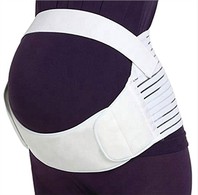 Back Support Products Order To The Netherlands, Marking Start Of Long-Term Cooperation21 May, 2026
 -
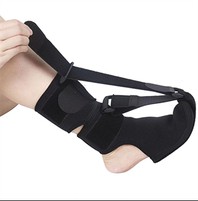 Bosegrow Launches New Foot Drop Splint To Support Ankle Stability And Walking Rehabilitatio08 May, 2026
 -
 Bosegrow Ships 8,000 Units Of Adjustable Knee Support Braces To The U.S., Securing Repeat Order F...25 Apr, 2026
 -
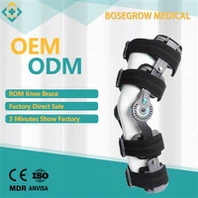 Bosegrow Successfully Ships 300 Units Of Adjustable Hinged Knee Braces To Dubai After Overcoming ...18 Apr, 2026