If your ankle hurts worse with a brace, it could signal an issue with the brace itself, improper use, or an underlying problem that needs medical attention. Here are the most common reasons and solutions:
1. Incorrect Fit or Tightness
Too Tight: A brace that compresses too hard can restrict blood flow, pinch nerves, or strain tissues, worsening pain.
Fix: Loosen straps or try a larger size. Ensure you can fit a finger between the brace and your skin.
Too Loose: A loose brace fails to stabilize the joint, allowing unstable movement that strains ligaments.
Fix: Adjust straps for snug (not painful) support.
2. Wrong Type of Brace
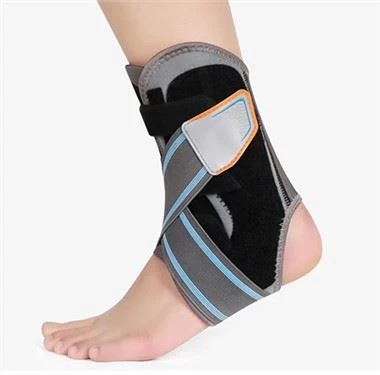
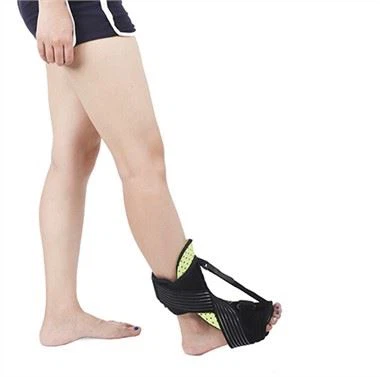
Overly Rigid Braces: Stiff braces (e.g., hard plastic splints) might force your ankle into an unnatural position if not prescribed for your injury.
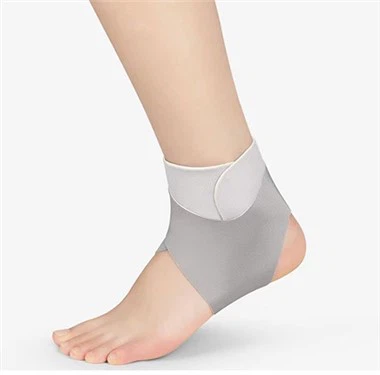
Insufficient Support: Soft sleeves may not provide enough stability for severe sprains or fractures.
Fix: Match the brace to your injury (e.g., rigid braces for acute injuries, flexible sleeves for mild instability). Consult a physiotherapist or doctor.
Ankle Support
3. Underlying Injury or Condition
Misdiagnosis: Pain could stem from a fracture, tendon tear, arthritis, or nerve damage-issues a brace alone can't address.
Swelling: If the brace traps swelling (e.g., post-injury), pressure can increase pain.
Fix: Ice and elevate first to reduce swelling before bracing. See a doctor to rule out fractures or soft tissue damage.
4. Poor Positioning or Application
Misaligned Straps/Pads: Padding pressing on a sensitive area (e.g., a healing ligament) can irritate it.
Fix: Reposition the brace to avoid direct pressure on tender spots.
5. Over-Reliance on the Brace
Weak Muscles: Long-term brace use can weaken ankle muscles, making the joint feel unstable or sore when unsupported.
Fix: Combine bracing with strength exercises (e.g., calf raises, resistance band work) to rebuild stability.
6. Skin Irritation or Allergies
Material Sensitivity: Some braces contain latex, neoprene, or dyes that irritate skin, causing inflammation that mimics joint pain.
Fix: Switch to hypoallergenic, breathable materials (e.g., cotton-lined braces).
7. Healing Process
Early Recovery: After an acute injury (e.g., a sprain), movement in a brace might feel painful as tissues heal.
Fix: Rest, ice, and limit activity. Transition to gentle mobility exercises as healing progresses.
When to Stop Using the Brace & Seek Help
Stop immediately if:
Pain is sharp, throbbing, or worsens with movement.
You notice numbness, tingling, or discoloration (signs of restricted blood flow).
See a doctor if:
Pain persists beyond 3–5 days.
You suspect a fracture, torn ligament, or nerve injury.
Key Takeaway
Ankle braces should reduce pain, not cause it. If your brace is making things worse, reassess its fit, type, and positioning. For persistent pain, consult a healthcare provider to ensure proper diagnosis and treatment.