Spinal cord injury is mainly caused by direct violence (such as smashing, falling, stabbing, gunshot wounds, etc.) resulting in excessive flexion, fracture, dislocation, and spinal nerve damage to the spine. Secondly, it is caused by spinal cord infection, degeneration, and tumor invasion into the spinal cord. Due to differences in the level and severity of injury, symptoms such as complete disappearance of sensation and motor reflexes in the trunk, limbs, and skin below the level of injury, as well as urinary and fecal incontinence, can be seen.
Spinal cord injury often causes severe paralysis and disability. Chest and lumbar spinal cord injury can cause complete paralysis of both lower limbs and trunk, while partial paralysis is called paraplegia. Neck spinal cord C4 or above injury with upper limb involvement is called quadriplegia. Patients with traumatic spinal cord injury should be actively rescued, transported correctly, treated reasonably, cared for carefully, and exercised early. This can not only prevent complications, but also promote the recovery and reconstruction of residual limb function.
1. Early management of traumatic spinal cord injury
(1) On site first aid: When treating emergency patients with spinal cord injuries, attention should be paid to preventing the aggravation of spinal cord injuries. Before moving the patient, first check for any abnormalities in limb movement and sensation. If there are no abnormalities, move the patient's head and neck to a fixed position and place them in a supine position on a hard board. Place pads on both sides of the head and neck to avoid swinging. If neurological symptoms are detected, gently pull the head and neck in the longitudinal direction, fix them, and move them to the hard board before quickly transferring them to the hospital. It can be seen that having specially trained emergency escorts is crucial for the prognosis of injured patients.
(2) Early relief of spinal cord compression symptoms: Provide conditions for spinal cord recovery, such as reduction of spinal fractures and dislocations, and fixation of spinal posture. For patients with complete spinal cord transection injury, treatment that stops pathological changes within 24 hours, such as spinal cord incision, local freezing, hyperbaric oxygen, drug application, etc., can change the secondary changes after spinal cord injury and facilitate partial recovery of paraplegia.
2. Prevention and treatment of complications
Patients with high paraplegia, especially those with cervical spinal cord injuries, may develop multiple systemic complications due to improper early treatment and care, such as respiratory infections, muscle contractions in the motor system, joint deformities, urinary system infections, thrombosis, skin pressure ulcers, etc. These complications are both the cause of patient death and the main factor affecting the recovery of patients after spinal cord injury. Therefore, it is necessary to actively prevent complications and treat them early once discovered in order to successfully complete the rehabilitation plan.
(1) Urinary tract infection: Spinal cord injury or spinal cord transection can cause spinal shock, inhibit motor reflexes, and cause bladder relaxation, leading to fullness urinary incontinence. The patient in this period had a large amount of residual urine due to insufficient urination ability. Long term indwelling catheterization is also a factor causing bladder ascending infection. In order to restore the urination function of paraplegic patients, nursing staff need to provide urination training for patients. When external pressure is applied to force urination, abdominal pressure should be correctly applied to prevent excessive bladder filling and retrograde infection caused by downward pressure leading to hydronephrosis. The use of intermittent catheterization every 4 hours can reduce the incidence of urinary tract infections. Conditional hospitals can also use mobile beds to allow patients to stand at regular intervals when their condition permits. This can increase the discharge of sediment from the bladder, reduce residual urine, and prevent urinary tract infections.
(2) Bedsores; This is a lifelong concern for paraplegic patients. In addition to following the routine skin care during bed rest, attention should also be paid to the possibility of pressure ulcers on the toes due to the pressure of the blanket. Nursing staff should teach patients during the recovery period the methods of examining compressed skin, using both hands to support and relieve pressure, and measures to prevent bedsores.
(3) To relieve common symptoms of digestive tract, such as constipation, fecal incontinence, flatulence, intestinal obstruction, interference electrotherapy and traditional Chinese medicine massage acupuncture and moxibustion technology can also be used.
(4) Deep vein thrombosis and pulmonary embolism: often occur within one month after spinal cord injury. Nursing should pay attention to observing the leg circumference of the patient's lower limbs on both sides to see if there is edema. Apply elastic socks and elastic bandages as early as possible. Early inclined bed standing training can restore the vasomotor function of paralyzed limbs.
(5) Pulmonary infection: Paraplegic patients who are bedridden for a long time or have respiratory muscle movement disorders, have reduced respiratory volume, weakened or disappeared coughing movements, and a large amount of respiratory secretions cannot be discharged smoothly, causing pulmonary infection. To prevent this complication, nursing staff should guide patients in respiratory function training. When helping patients expel phlegm, nursing staff should press the patient's lower abdomen tightly with both hands, transport and follow the patient's breathing rhythm, so that the patient can cough up phlegm. The force should not be too strong to avoid aggravating damage to the spinal nerves or causing spinal fractures.
(6) Muscle contractures and joint deformities are extremely important for early rehabilitation nursing of spinal cord injuries. A reasonable functional position and appropriate early passive exercise can not only promote blood circulation, but also prevent muscle contraction and deformation caused by long-term bed rest. For spastic muscle pain that causes pain or affects the patient's ability to live, and affects rehabilitation training, relaxants are given for treatment.
(7) Neurological disorders of the autonomic nervous system: Patients with quadriplegia caused by cervical cord injury of 6 or more may experience increased autonomic reflexes due to adverse stimuli such as bladder filling, pressure ulcers, muscle spasms, constipation, and malignant gastrointestinal irritation during the course of the disease. Symptoms such as headache, sweating, skin flushing, tachycardia or bradycardia, and elevated blood pressure may also lead to secondary cerebrovascular accidents or blindness. Nursing should pay attention to observing the occurrence of these symptoms and actively take preventive measures. Administer antihypertensive medication, eliminate triggering factors, and adopt the patient's upright position for treatment.
(8) Heterotopic ossification: It often occurs 1-4 months after injury, and patients may have unexplained low-grade fever, hard masses of subcutaneous tissue in the trunk and limbs, and local inflammatory reactions. Generally, positive results can only be seen on X-rays 2 weeks after the onset of the disease. Didrond medication can be administered to patients around 20 days after illness to prevent soft tissue calcification.
3. Psychological types and related treatments of patients with spinal cord injury
(1) Depressive type: After the onset of paraplegia, patients may experience temporary discomfort and develop a state of depression. Mild cases may be quiet, suppress unpleasantness, and lack interest in the surrounding environment. More severe cases may persist in being depressed, worried, depressed, with decreased attention and memory. Some patients may also feel insecure, self blame, and have suicidal thoughts.
(2) Anxiety type: Some patients experience anxiety about their disabilities, leading to symptoms of autonomic nervous system disorder such as constipation, palpitations, premature beats, pyloric spasms, facial flushing, sweating on both hands and face, and in severe cases, respiratory distress symptoms.
(3) Angry and aggressive type: The patient does not suppress their disability but instead engages in aggressive behavior, such as making a scene, smashing objects, hitting others, or acting recklessly
(4) Dependent type: The patient considers themselves a useless person, completely relying on others to live, not doing any training, or giving up on interrupting exercise due to setbacks during training. In the implementation of the entire rehabilitation treatment plan, the influence of the patient's mental factors cannot be ignored, and the psychological comfort and support of the patient cannot be ignored. If the patient lacks the desire to improve their condition, understand reality, and start a new life, even the most complete rehabilitation treatment plan will fail. Therefore, medical staff should carry out psychological support therapy with full enthusiasm, sincerely, patiently, sympathetically, and encourage the patient to improve various emotional influences, establish confidence in overcoming the disease and determination to self exercise, so that the patient can play an active and creative role in participating in rehabilitation training. Nursing staff also need to care about patients' lives, solve existing difficulties at any time, and create a harmonious and friendly environment. And use practical methods to inform the family and the patient of the level of recovery function that the patient can achieve through rehabilitation training. To gain patient trust through continuously achieving nursing goals. In order to enable patients to adapt to the life of disabled people after discharge, it is necessary to help them accept reality, seek new lives and careers, and balance their psychological state after changes in social status. It is also necessary to train family members in rehabilitation training to become helpful to patients, solve the imbalance and psychological distress caused by patients' paralysis among family members, guide them on various requirements for patients when doing specific things, and help patients and their spouses discuss issues related to sexual life.
4. Application of braces
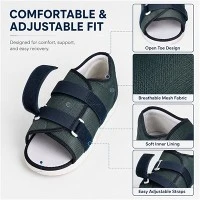
The level and severity of spinal cord injury determine the patient's functional recovery. C7 is a critical level, and patients with injuries below C7 can freely control upper limb activities and live independently, while those with injuries above C4 have nerve damage to the diaphragm and respiratory muscles, and rely entirely on the respiratory muscles to sustain their lives. This type of patient, apart from being able to move their head freely, cannot take care of themselves. In modern rehabilitation medical facilities where conditions permit, automated environmental control systems can be provided for these patients, which can train them to use their remaining functions of the mouth, tongue, and lips to manipulate instruments and maintain their basic living. Patients with T1-T12 level injuries have intact upper limb muscles and varying degrees of functionality in the back, trunk, and abdominal muscles. They can be trained to sit up and move in a wheelchair. If equipped with a brace, they can stand and walk in a relatively poor dragging state. Patients with T10-T12 level injuries have lost the function of the hip flexors, lower abdominal muscles, and lower sacral spine muscles, and must use a long leg brace with a pelvic girdle attached to stabilize the hip. These patients should try to walk with a brace and crutch. T12-L2 injury, loss of quadriceps function, requires a long leg brace and knee joint fixation strap to stabilize the knee joint. The brace can be interlocked at the knee, and when walking, it can be interlocked to straighten the knee. When sitting down, it can be unlocked to flex the knee at a 90 degree angle. Due to the lack of anterior tibial muscle function, patients with L3-L4 injuries need to use bilateral short leg braces or orthopedic shoes to stabilize and dorsiflexe the ankle joint, as well as single and double crutches. Injuries below L5 can cause damage to the gastrocnemius and gluteus maximus muscles, resulting in loss of function. Patients can use single or double crutches to assist with walking