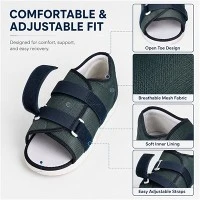
What You Should Really Compare When Choosing Orthopedic Braces
When comparing orthopedic braces, many products may look similar in photos.
Same shape, same color, same function - but prices can differ significantly.
So what actually causes this difference?
Let's break it down in a simple and visual way 👇

Materials: What You Feel Is What You Get
Low-priced braces often use:
- Thin neoprene or basic foam
- Low-density elastic materials
- Standard Velcro with short lifespan
Quality-focused braces are made with:
- Medical-grade neoprene or perforated breathable materials
- Stable elasticity that keeps its shape
- High-cycle Velcro tested for repeated use
Design: Similar Look, Different Support
To reduce cost, some suppliers simplify the pattern and structure:
- Fewer panels
- Limited pressure zones
- Reduced anatomical shaping
Professional-grade braces focus on:
- Ergonomic, body-contoured design
- Balanced compression zones
- Proper force distribution around joints or pelvis


Stitching & Details: Small Things, Big Difference
Low-cost production often shows:
- Basic stitching
- Weak reinforcement at stress points
- Faster wear and tear
Quality manufacturing includes:
- Reinforced stitching at high-tension areas
- Clean finishing to avoid skin irritation
- Stable construction for daily use
Comfort & Breathability: Especially for Long Wear
A brace worn for hours must allow:
- Heat release
- Moisture control
- Skin-friendly contact
Low-price braces may feel fine initially, but discomfort builds over time.
Better materials and structure improve user compliance, which is critical in rehabilitation.