Introduction to Orthopedic Rehabilitation
1. Orthopedic rehabilitation is a discipline that comprehensively evaluates and treats patients in the field of orthopedics and trauma. It is a sub discipline of rehabilitation medicine, also known as a branch of orthopedics.
2. The basic principles of rehabilitation medicine are: 1) functional rehabilitation; 2) Overall rehabilitation; 3) Returning to society; 4) Improve quality of life.
3. The rehabilitation philosophy of orthopedic physicians is: 1) not only to save lives and heal injuries, but also to prevent disability treatment; 2) Not only heavy treatment, but also heavy rehabilitation; 3) Not only do we value the surgical process, but we also value its functional outcomes; 4) Design surgical procedures not only from a therapeutic perspective, but also from a disability prevention perspective; 5) Not only does it rely on the individual skills and contributions of the surgeon, but also on the collaboration of the rehabilitation team to promote functional recovery.
4. The concept update of rehabilitation physicians: 1) Rehabilitation should start from the early clinical stage and strengthen clinical rehabilitation awareness; 2) Not only should one master the techniques of rehabilitation therapy itself, but also be familiar with the clinical treatment of related diseases; 3) Not only should we emphasize the "intra departmental team", but also form an "interdisciplinary team"; 4) We should not only attach importance to non-surgical rehabilitation therapy, but also pay attention to the value and role of necessary orthopedic surgery in functional rehabilitation.
5. The service targets of orthopedic rehabilitation are all patients with functional impairments caused by motor system diseases such as bones, muscles, tendons, joints, ligaments, and articular cartilage. The main types of diseases treated include limb fractures, joint dislocations, spinal cord injuries, amputations, hand injuries, sports injuries, as well as cervical spondylosis and lower back pain.
6. The most common problems encountered by patients with bone trauma are: 1) limb swelling and pain; 2) Joint contracture and limited mobility; 3) Muscle atrophy and decreased muscle strength; 4) Reduced load-bearing and balance functions; 5) Abnormal gait; 6) Osteoporosis; 7) Decreased cardiopulmonary function; 8) Low self-care ability.
7. The main tasks of orthopedic rehabilitation include: 1) eliminating swelling and pain, accelerating wound healing; 2) Maintain/increase ROM to prevent contracture deformities; 3) Enhance muscle strength and prevent muscle atrophy; Improve load-bearing and balance functions, correct abnormal gait; 4) Prevent osteoporosis; 5) Enhance cardiopulmonary function; 6) Improve ADL and occupational labor capacity; 7) Improving Quality of Life (QOL).
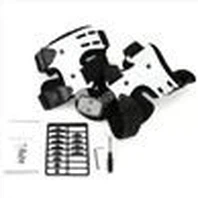
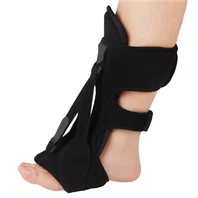
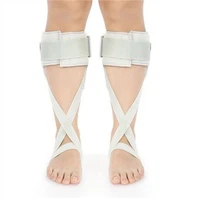
8. Common treatment techniques for orthopedic rehabilitation: 1) Continuous passive movement (CPM), mainly used to prevent and treat joint contractures caused by immobilization, promote the repair of joint cartilage, tendons, and ligaments, improve local blood and lymphatic circulation, promote the elimination of swelling and pain symptoms, and cooperate with other treatments to promote limb function recovery. 2) ROM training is mainly used to improve joint function, prevent adhesions, prevent joint contractures, promote swelling resolution, alleviate pain, and improve limb mobility. 3) Joint mobilization surgery is used to alleviate pain, release adhesions, and increase joint range of motion in the event of joint mobility disorders. 4) Muscle strength and endurance training mainly promote the recovery of motor function, enhance muscle strength, prevent muscle atrophy, and improve cardiovascular and pulmonary function. 5) Balance and gait training is mainly used to improve limb mobility and walking ability, enhance walking stability and safety. 6) Hydrotherapy; 7) Assembly of prosthetics; 8) The application of orthotics.