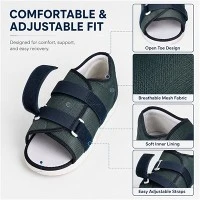
Compression ankle braces (flexible supports) offer limited immobilization and are not sufficient for moderate to severe sprains. They excel in mild cases or preventive use, but severe injuries require rigid braces or medical-grade immobilization.
Key Considerations
 1. Injury Severity
Mild Sprains (Grade 1):
• Compression braces reduce swelling and provide mild stability.
• Example: Twisted ankle with slight tenderness but no ligament tears.
Moderate/Severe Sprains (Grade 2-3):
• Rigid braces or walking boots are essential to restrict harmful movements (e.g., inversion/eversion).
• Example: Ligament tears, inability to bear weight, or visible joint instability.
2. Functional Limitations of Compression Braces
Pros:
• Improve blood flow and reduce swelling.
• Allow natural joint motion for early-stage rehabilitation.
• Lightweight and discreet under shoes.
Cons:
• Cannot fully prevent re-injury (e.g., sudden twists or high-impact activities).
• Lack lateral rigidity to block ankle rolling.
3. When to Upgrade to Rigid Braces
Red flags:
• Persistent swelling beyond 48 hours.
• Bruising or inability to walk.
• A "popping" sound during injury (suggests ligament damage).
Medical guidance: Always consult a doctor for imaging (X-ray/MRI) to rule out fractures or severe tears.
Practical Recommendations
| Scenario | Compression Brace Use | Rigid Brace Needed? |
|---|---|---|
| Mild sprain | ✔️ Apply immediately (with RICE protocol). | ❌ No |
| Post-surgery recovery | ❌ Avoid | ✔️ Mandatory (e.g., ASO brace) |
| Returning to sports | ✔️ For prevention after healing | ✔️ If instability persists |
| Chronic ankle weakness | ✔️ Daily wear for proprioception | ✔️ Combine with rigid brace for high-risk activities |
User Misconceptions Debunked
❌ "Compression braces can replace medical treatment."
→ Truth: They're adjuncts, not substitutes for rest, rehab, or surgery.
❌ "Tighter compression = better stability."
→ Truth: Over-tightening may impair circulation and delay healing.
Bottom Line
For mild sprains, compression braces are a safe first step. However, if pain/swelling worsens or mobility remains limited, switch to rigid immobilization and seek professional care. Always prioritize injury assessment over self-treatment.